

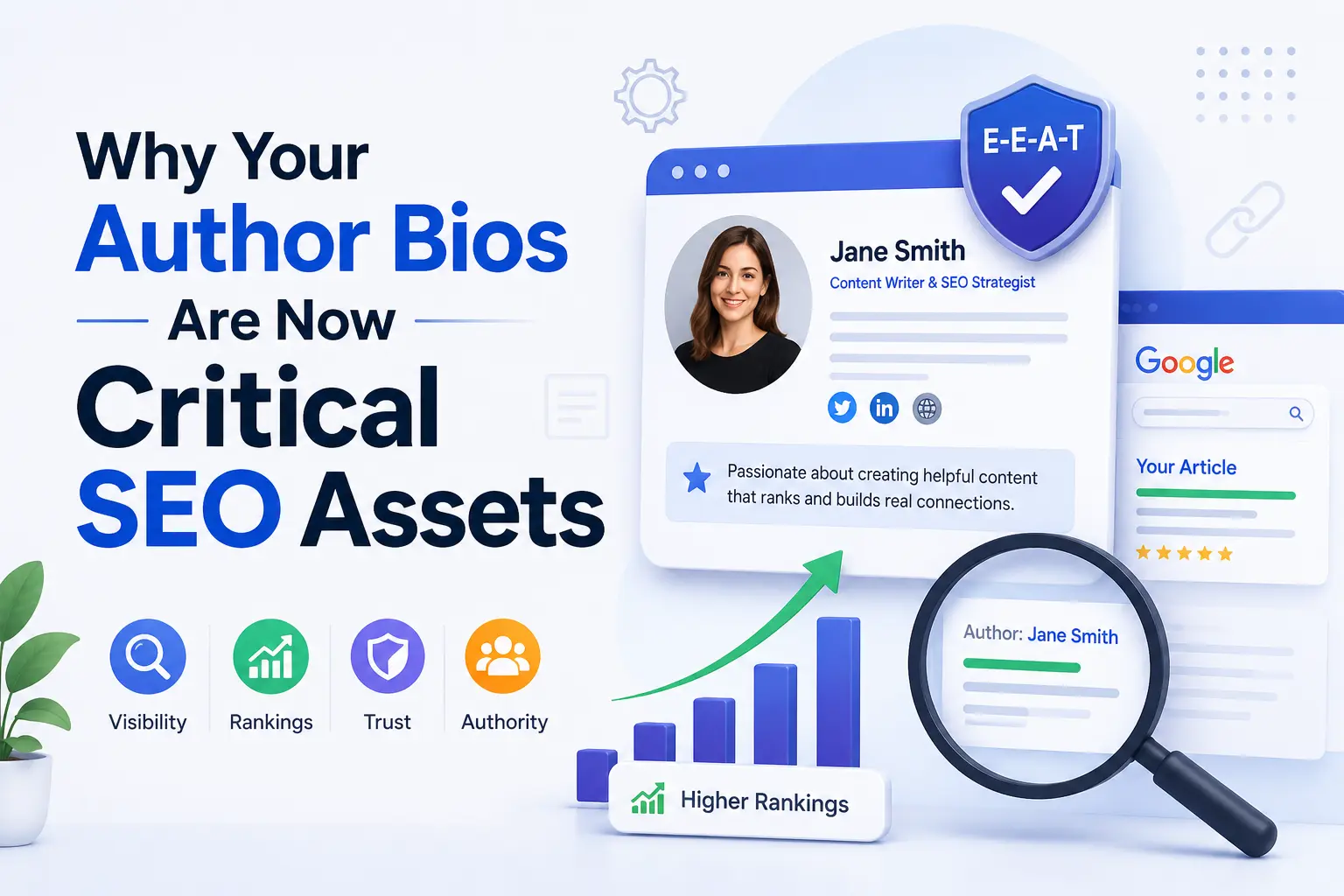
In an era where the web is saturated with AI-generated text, establishing genuine human connection has become a cornerstone of digital strategy. While author bios are not a “magic button” for ranking, they function as essential trust infrastructure. By clearly identifying the creators behind your content, you provide the evidence of experience, expertise, authoritativeness, and trustworthiness (E-E-A-T) that modern search algorithms and human users demand.
Transforming Bios into Credibility Signals
A generic byline is no longer sufficient. Today’s search environment rewards transparency. When you associate content with an identifiable, qualified expert, you minimize the perceived risk of the information being inaccurate or low-quality. An effective bio serves as a “trust token” that bridges the gap between anonymous text and a verified, accountable human source.
-
Establishing Accountability: Clearly attributing content to a person reduces anonymity, signaling to both readers and automated systems that a real human stands behind the information.
-
Demonstrating Firsthand Experience: Detailed bios highlight the specific background, certifications, or lived experiences that qualify an author to speak on a topic.
-
Contextualizing Authority: Links to professional profiles, conference presentations, or third-party publications turn a simple bio into a hub of verifiable professional history.
-
Aiding AI Evaluation: Clear author entities help AI-driven search features associate specific topics with known experts, strengthening your site’s overall topical authority.
Strategic Elements of High-Impact Author Pages
To maximize the impact of your authorship, move beyond a simple job title. A comprehensive author page should be structured to prove that the contributor is a legitimate authority in their field.
-
Professional Credentials: Clearly list degrees, certifications, and years of experience relevant to the specific subject matter you cover.
-
Verifiable Footprint: Include links to external, third-party sites such as professional associations, industry publications, or verified social profiles that corroborate the author’s background.
-
Content Alignment: Ensure the author’s primary areas of expertise match the topics they write about, as mismatching a generalist with specialized YMYL (Your Money or Your Life) content can weaken trust signals.
-
Personalized Narrative: Incorporate a brief, human-focused detail that connects the author’s passion or history to the content, making the expert relatable to your audience.
-
Ongoing Updates: Maintain and refresh these pages as the author gains new credentials or completes new projects to signal accountability and accuracy.
The Role of Authorship in Trust Infrastructure
Think of your author pages as the foundation of your site’s reputation. While search systems look at many signals to determine quality, author identity provides the necessary context to interpret content correctly. When a site consistently features qualified experts, it builds a pattern of reliability that search algorithms associate with “helpful” information. This is not about gaming a ranking factor; it is about building a scalable framework of trust that protects your brand and provides a superior experience for your readers. By investing in the individuals behind your content, you ensure that your site remains a recognized and trusted resource in an increasingly complex information landscape.
Frequently Asked Questions
Do author bios directly boost my search rankings?
No, they are not a direct ranking factor. Instead, they provide the trust signals and transparency that search systems look for when evaluating whether content is helpful and reliable.
Should I use an author bio for every single post?
You should include bylines on content where readers expect expert guidance, especially in finance, health, or legal topics. Simple, non-sensitive content may not require an extensive bio.
What if my authors want to remain anonymous?
While you can protect author privacy, your site must still demonstrate that the content is reviewed by qualified experts to maintain high E-E-A-T standards.
How do I link my author bios to search systems?
Use structured data (schema markup) to explicitly define authors as “Person” entities, which helps search engines connect an author’s background across different pages and sites.
Does a long bio perform better than a short one?
A short bio in a byline box is excellent for user experience on every post, while a longer, detailed page is the right place to house a full professional history for verification purposes.