

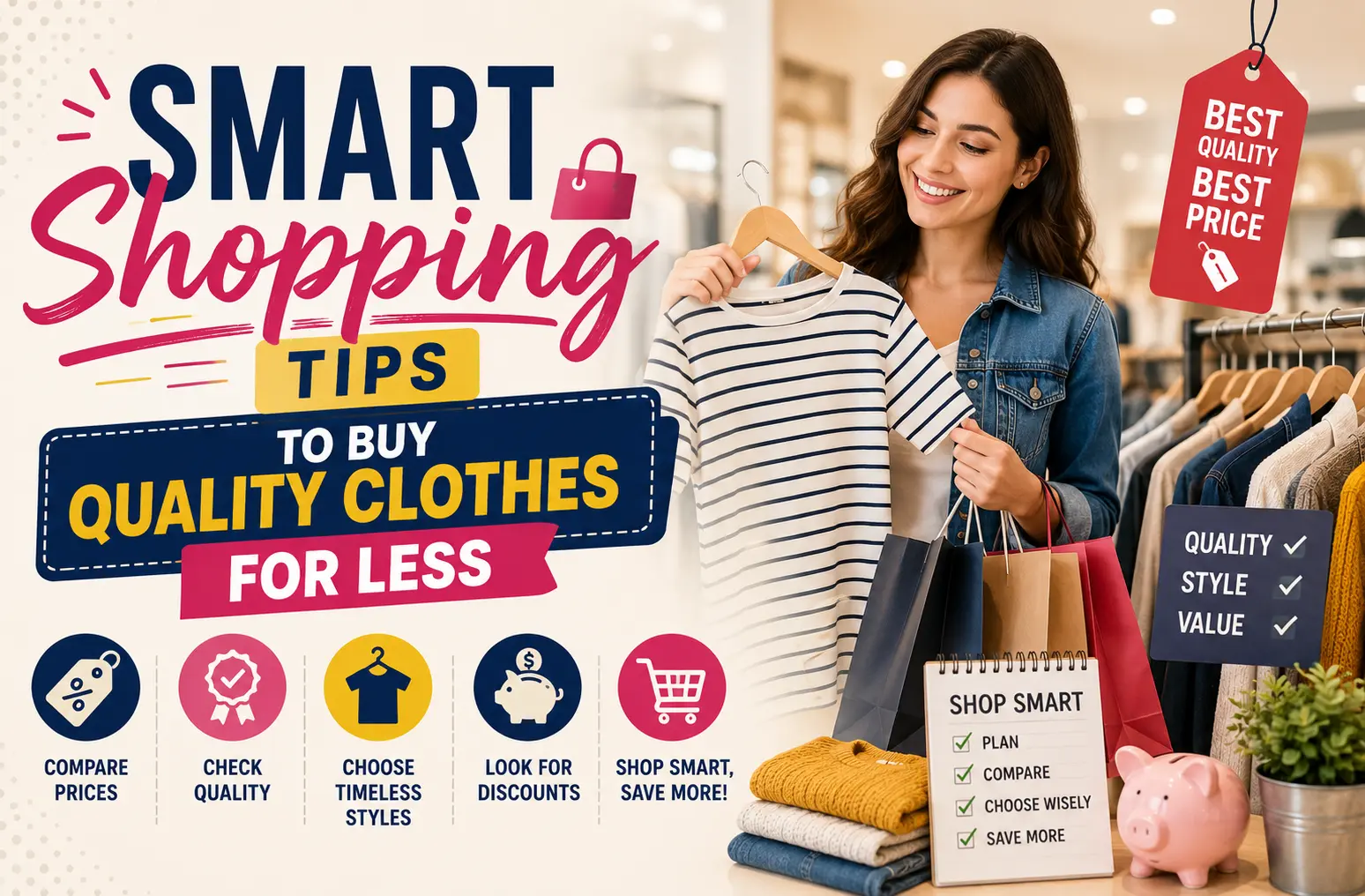
Building a versatile, long-lasting wardrobe does not require an unlimited budget. True style efficiency comes from knowing how to identify premium materials and understanding the timing of retail cycles. By shifting the focus from quantity to construction, you can curate a collection of garments that stand the test of time while keeping your overall expenditure low.
Mastering the Art of Material Inspection
Quality begins with the fiber content and the weave of the fabric. Before buying any item, perform a physical inspection to gauge how the piece will perform after several wash cycles. High-quality garments typically feature natural fibers that offer breathability and structural integrity.
-
Check the Label: Prioritize natural fibers like wool, silk, cotton, and linen over synthetic blends. Natural materials hold their shape better and age gracefully compared to inexpensive polyester or acrylic.
-
The Stretch Test: Gently pull the fabric to see if it snaps back into its original shape. If it remains distorted, the garment lacks the elasticity required for frequent wear.
-
Examine the Stitching: Inspect seams for density and uniformity. Loose threads or inconsistent stitch lengths are early indicators that the item may unravel quickly.
-
Weight Matters: Heavier fabrics—such as dense cotton or thick-gauge wool—usually suggest a higher quality of production compared to thin, translucent materials that show wear after a single season.
Strategic Timing and Proven Buying Habits
Understanding retail patterns allows you to acquire premium goods at a fraction of their original price. Strategic shopping is about discipline and avoiding the impulse to buy trendy, low-quality items that lose their appeal within weeks.
-
Shop the Off-Season: Purchase winter coats in early spring and swimwear in late autumn. Retailers are highly motivated to clear seasonal inventory, leading to significant markdowns on durable items.
-
Focus on Core Essentials: Direct your budget toward timeless staples—like a classic blazer, high-quality denim, or leather footwear—rather than fast-fashion trends that quickly become obsolete.
-
Utilize Pre-Owned Markets: Many high-quality garments are sold after minimal use. Exploring second-hand platforms is the most reliable way to find designer construction at mass-market prices.
-
Wait for the Second Mark-Down: If an item you love is on sale, exercise patience. Most stores have predictable clearance schedules; waiting just two additional weeks can often lead to a much steeper discount.
Maintaining Your Wardrobe for Longevity
Buying quality is only the first step; preserving your clothes ensures you get the maximum value from your investment. Improper care, such as over-washing or using harsh detergents, destroys premium fabrics faster than actual wear. Follow care labels strictly, opt for cold water cycles, and air-dry garments whenever possible to prevent the damage caused by high-heat dryers. Regularly repairing small issues—such as replacing a loose button or stitching a small hem—extends the life of your clothing by years, ultimately lowering your “cost per wear” to a negligible amount. By treating every garment as a long-term asset, you develop a wardrobe that stays fresh and functional indefinitely.
Frequently Asked Questions
How can I identify high-quality fabric quickly? Feel the weight and texture. Quality fabric should feel substantial and have a consistent finish. If the material feels thin, scratchy, or plastic-like, it is likely a low-grade synthetic blend.
Is it better to buy one expensive item or three cheap ones? Always choose the single expensive item if it is a staple piece. One well-constructed garment will outlast three cheaply made alternatives and provide a more polished appearance.
What is the best way to shop second-hand? Filter your searches by material type. Specifically look for items listed as 100% wool, silk, or cotton to ensure you are buying quality materials that can be easily refurbished.
Does “brand name” always mean high quality? Not necessarily. Many expensive brands focus on marketing rather than construction. Always prioritize the fabric label and stitching quality over the logo or brand reputation.
How do I stop myself from impulse buying? Implement a 48-hour rule. If you see a non-essential item you want, wait two days. If you still want it after that time, it is more likely to be a genuine addition to your wardrobe.