

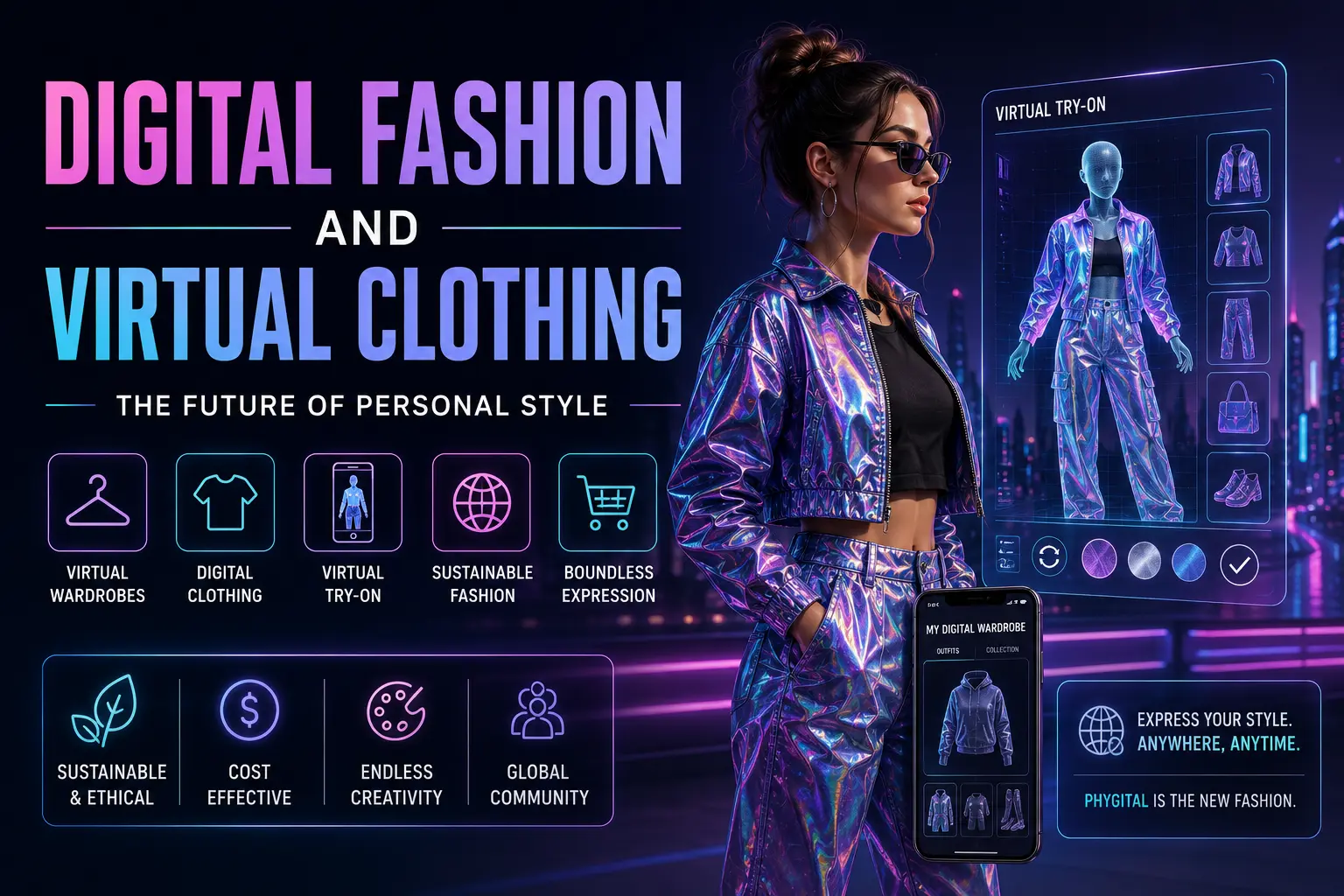
Personal style is undergoing a radical transformation as the digital and physical worlds converge. Digital fashion—clothing designed exclusively for virtual environments, augmented reality, and gaming avatars—has moved from a niche interest to a legitimate sector of the fashion industry. This shift reflects a changing relationship with consumption, where identity is increasingly expressed through screen-based interactions and virtual spaces.
The Appeal of Non-Physical Apparel
Virtual clothing offers a unique solution to the modern tension between the desire for novelty and the growing need for sustainability. Because these garments do not require physical materials or complex supply chains, they provide a path to experiment with bold, experimental aesthetics that would be impractical, costly, or impossible to produce in the physical world.
-
Limitless Aesthetic Expression: Designers utilize the properties of software to create garments that defy physics, incorporating elements like liquid metal, pulsing light, or shifting textures.
-
Sustainable Consumption: By substituting physical purchases with virtual ones, consumers can satisfy their demand for new looks without contributing to textile waste or carbon emissions.
-
Instant Accessibility: Virtual items are accessible globally the moment they are released, removing the barriers of shipping, sizing, and inventory availability.
-
Identity Fluidity: Digital fashion allows individuals to swap their persona instantly, fostering a more playful and experimental approach to self-presentation in digital social spaces.
Strategic Integration into Daily Digital Life
For brands and consumers alike, digital fashion is not just about ownership; it is about utility and visibility. To get the most value from these assets, users are learning to integrate them into their professional and social workflows.
-
Augmented Reality (AR) Try-Ons: Use smartphone-based AR filters to “wear” digital garments during video meetings or social media stories, blending virtual items with real-world backgrounds.
-
Avatar Customization: Gaming and social platforms allow users to curate a digital wardrobe that represents their personality in professional, recreational, and virtual-event settings.
-
Digital-Physical Hybrids: Some retailers now offer “phygital” goods, where a physical purchase comes with a digital twin for use in virtual environments, providing dual utility.
-
Portfolio Building: Creatives and enthusiasts use digital wardrobes to build a recognizable visual aesthetic online, serving as a form of personal branding that is independent of physical geography.
Defining the Value of Virtual Assets
The value of digital fashion is defined by its social currency and utility within specific virtual ecosystems. As these spaces become more common for work and socializing, the “wearability” of a digital item becomes its most important metric. Does it look good in a virtual meeting? Does it signify membership in a specific creative community? These questions are becoming as significant as traditional style considerations. By separating the concept of “clothing” from the need for physical fabric, digital fashion encourages a more creative, efficient, and conscious approach to personal style, ensuring that individual identity can remain expressive regardless of the environment.
Frequently Asked Questions
Is digital fashion just for gamers? No, it is expanding rapidly into social media, virtual work events, and even professional branding. Anyone who maintains an online presence is a potential user.
How do I actually “wear” a digital garment? You typically wear them by uploading a photo or video to a digital fashion app that overlays the garment onto your image, or by equipping the item to an avatar in a virtual world.
Will digital fashion replace physical clothes? It is not intended to replace physical clothing but to augment it. It provides an outlet for creative expression that physical clothing cannot match due to material and gravity constraints.
Are digital garments a good investment? Value is subjective and depends on the garment’s rarity and utility within a specific platform. Think of them as creative assets for self-expression rather than financial investments.
What is the environmental impact of virtual clothing? It is significantly lower than physical clothing production. While hosting virtual assets requires energy, it eliminates the massive environmental footprint associated with manufacturing, dyeing, and transporting physical textiles.