

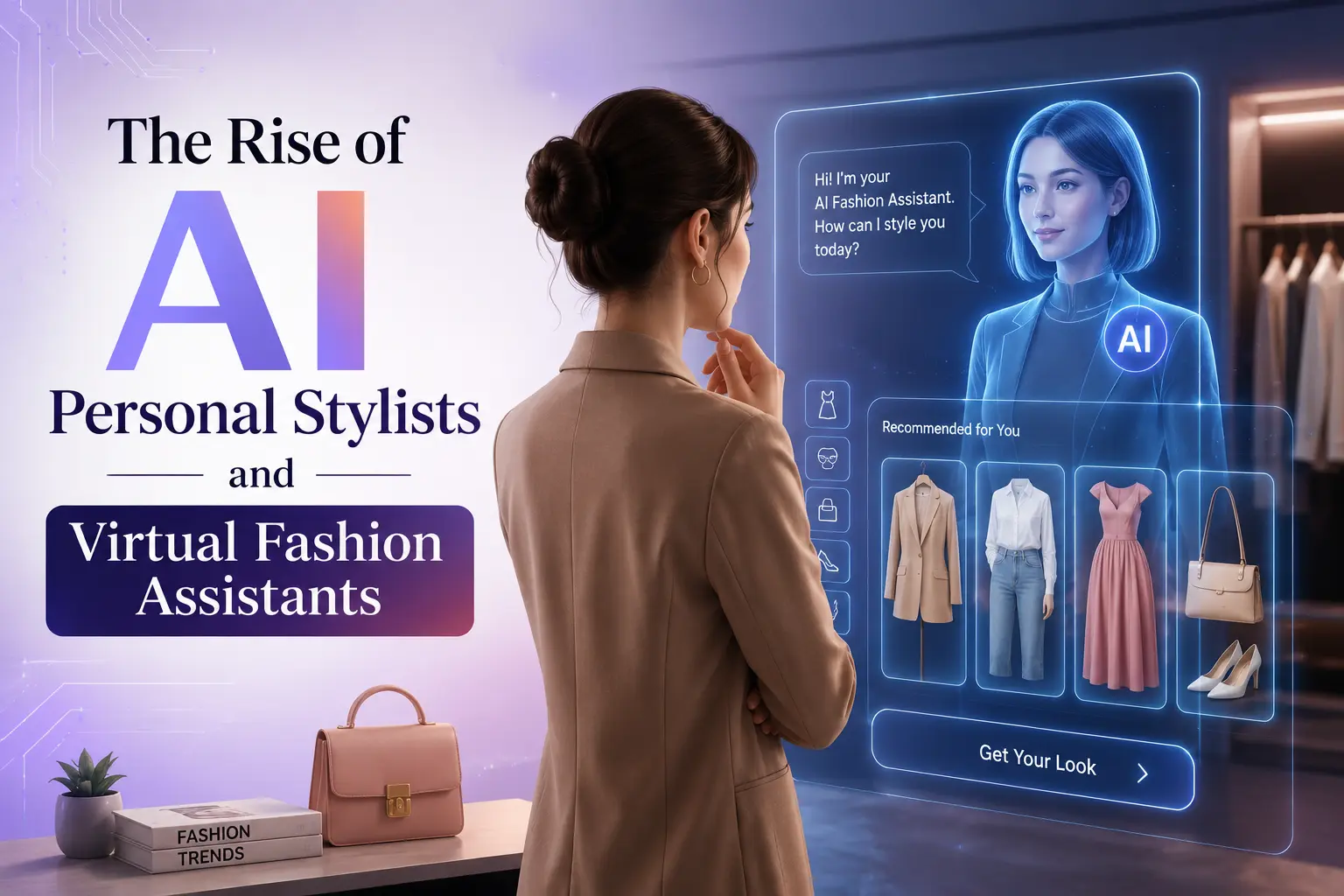
Personal styling, once an exclusive service reserved for the ultra-wealthy, has been democratized by artificial intelligence. By 2026, AI personal stylists and virtual fashion assistants have transitioned from novel experiments to essential digital infrastructure. These systems do more than suggest products; they act as intelligent custodians of your wardrobe, helping you navigate the complexities of personal style with precision, speed, and data-backed confidence.
Core Capabilities of Modern Fashion AI
The current generation of virtual stylists functions as an integrated system, moving beyond simple product recommendations to provide a holistic view of your style. By digitizing your existing wardrobe and combining it with real-time data, these tools ensure that every styling decision is both practical and personalized.
-
Wardrobe Digitization: Users can upload photos of their clothes, which the AI automatically tags by category, color, material, and occasion, creating a searchable database of every item they own.
-
Outfit Generation: Algorithms surface combinations you may have never considered, pulling pieces from different areas of your closet to maximize the “cost-per-wear” of your favorite items.
-
Contextual Intelligence: By integrating with weather forecasts and calendar events, AI assistants suggest outfits that are both climate-appropriate and suited for specific settings like job interviews or social gatherings.
-
Shopping Gap Analysis: Instead of pushing generic new items, these tools identify what is actually missing from your wardrobe, ensuring that future purchases serve a specific, functional purpose.
How AI Stylists Enhance the Shopping Journey
The integration of AI has fundamentally changed how we discover and purchase clothing. Retailers now use these tools to bridge the gap between digital browsing and physical satisfaction, leading to higher confidence and fewer returns.
-
Hyper-Personalized Discovery: AI analyzes body type, skin tone, and past style preferences to present only those items that align with your unique aesthetic, reducing the “decision fatigue” common in traditional e-commerce.
-
Realistic Virtual Try-On (VTO): Advancements in computer vision allow you to see how a garment drapes on a body profile that mirrors your own, providing a reliable proxy for the physical fitting room.
-
Conversational Styling: New chat-based interfaces allow you to “talk” to your stylist. You can ask for advice on how to accessorize a specific piece or request looks for a themed event, receiving reasoning behind each suggestion.
-
Integrated Sustainability: Many platforms now track how often you wear specific items, encouraging you to prioritize existing pieces and making mindful purchasing decisions that align with long-term style goals.
The Future of Fashion Storytelling
While AI excels at logistics and data-driven suggestions, it is also influencing the “human” side of fashion. By automating repetitive tasks like categorization and outfit assembly, these technologies free up stylists to focus on high-level creative judgment and cultural context. The future of the industry lies in a collaborative model where AI handles the technical execution—predicting trends, managing inventory, and mapping body data—while human expertise ensures that craftsmanship, heritage, and social impact remain at the forefront. As these technologies continue to evolve, the goal remains the same: creating a world where every individual can access professional-grade styling, regardless of their budget or geographic location.
Frequently Asked Questions
How accurate are virtual try-on tools today? By 2026, virtual try-on has reached mainstream adoption. While they may not replace the feel of fabric, they are highly effective at simulating fit, drape, and color, significantly reducing online return rates.
Can an AI stylist truly understand my personal taste? Yes. Through conversational AI, these platforms build a preference model over time. Every item you accept or reject refines the system’s understanding of your specific aesthetic and lifestyle needs.
Are AI styling apps expensive? Most offer tiered structures. There are many robust free versions for wardrobe management, while premium subscriptions often provide unlimited access to advanced styling features, virtual closets, and professional consultations.
Do I need to digitize my entire wardrobe to use these tools? Not necessarily. Many apps allow for batch uploading or focus on “shopping-first” experiences where the AI suggests new items to complement the pieces you prioritize digitizing.
Will AI eventually replace human fashion stylists? AI is not replacing stylists; it is reallocating their expertise. Human stylists are shifting toward more judgment-intensive, creative roles, while AI handles the data-heavy task of outfit planning and wardrobe organization.