

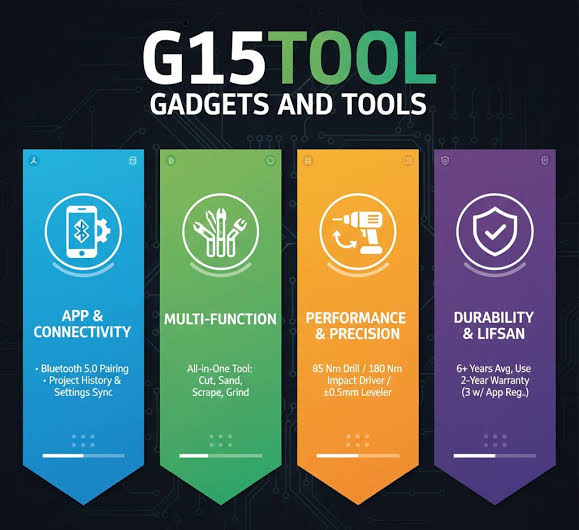
Technology is moving at an incredible pace. A gadget that feels exciting today can quickly become outdated as smarter, faster, and more practical devices enter the market. This is why many technology enthusiasts search for reliable information about new devices, accessories, and digital tools. g15tool com gadgets has become a search term associated with exploring useful technology products and understanding how modern gadgets can fit into everyday life.
From smart accessories and portable electronics to productivity-focused devices, the world of consumer technology offers more choices than ever. However, having more options does not always make buying decisions easier. The real challenge is identifying which gadgets offer genuine value and which ones simply look impressive in advertisements.
This guide explores the type of gadgets, technology insights, and practical considerations users should keep in mind when searching for information related to G15Tool and modern tech devices.
What Does G15Tool Com Gadgets Refer To?
The phrase g15tool com gadgets generally reflects user interest in technology-focused gadget content, product information, and modern digital accessories. People searching for this topic may be looking for newly launched devices, practical technology tools, gadget reviews, or ideas about products that can improve convenience and productivity.
The gadget market is broad. A useful technology platform or resource may cover several categories, including:
- Smartphones and mobile accessories
- Smartwatches and wearable technology
- Wireless audio devices
- Portable charging solutions
- Computer and laptop accessories
- Smart home products
- Gaming-related gadgets
- Productivity tools and everyday tech
The most useful gadget information does more than list product specifications. It explains how a device works in real life, who it is designed for, and whether its features justify its cost.
Why Modern Gadget Information Matters
Buying technology has become more complicated. Two products can look almost identical while offering very different experiences in terms of durability, software support, battery performance, and compatibility.
For example, a wireless charging device may advertise fast charging, but the actual charging speed can depend on the user’s phone, power adapter, cable, and supported charging standard.
This is why good technology content should focus on the details that matter after a product leaves the box.
I have personally found that the most useful gadget recommendations are not always for the newest or most expensive device, but for the one that solves a specific everyday problem without adding unnecessary complexity.
Popular Categories of Gadgets to Explore
Smart Mobile Accessories
Mobile phones are central to daily communication, work, entertainment, and navigation. As a result, accessories remain one of the largest gadget categories.
Useful options may include:
- Wireless chargers
- Power banks
- Protective cases
- Bluetooth trackers
- Fast-charging adapters
- Portable stands
- External storage solutions
The best accessory depends on how a person actually uses their phone. A frequent traveler may value battery capacity, while someone working remotely may benefit more from a stable phone stand or multi-device charging solution.
Wearable Technology
Smartwatches and fitness-focused wearables have expanded beyond simple step counting. Depending on the model, they can provide notifications, activity tracking, sleep-related insights, location features, and other connected functions.
Before choosing a wearable device, buyers should consider:
- Compatibility with their smartphone
- Battery expectations
- Comfort during extended use
- Available features
- App and software support
- Water and dust resistance ratings
More features are not automatically better. A device packed with functions can still be frustrating if the interface is difficult to use.
Audio Gadgets
Wireless earbuds, headphones, portable speakers, and microphones are now used for much more than entertainment. They support remote work, online learning, gaming, and content creation.
When comparing audio products, it helps to look beyond general claims such as “premium sound.” Important considerations include connection stability, microphone quality, battery performance, comfort, and compatibility with different devices.
How to Compare Gadgets Before Making a Decision
A simple comparison can prevent an expensive mistake. Instead of focusing only on the number of features, users should consider the overall value of the product.
| Comparison Factor | Budget Gadget | Mid-Range Gadget | Premium Gadget |
|---|---|---|---|
| Price | More affordable | Balanced investment | Higher cost |
| Core Features | Essential functions | More advanced options | Extensive feature set |
| Build Quality | Varies significantly | Often more consistent | Usually premium materials |
| Software Support | May be limited | Generally better | Often longer-term support |
| Best For | Basic everyday use | Regular users | Specialized or demanding users |
A premium product can be worthwhile, but only when the additional features match the buyer’s actual needs. Paying extra for functions that remain unused rarely represents good value.
The Importance of Compatibility
Compatibility is one of the most overlooked parts of buying a new gadget. A product can have excellent features and still create problems if it does not work properly with a user’s existing devices.
Before purchasing, check whether the gadget supports:
- Your operating system
- Required wireless standards
- Available ports and connectors
- Charging requirements
- Necessary companion applications
This is especially important for smart devices that depend on apps or cloud-connected services. A quick compatibility check before buying can save considerable time and frustration later.
A Practical Technology Decision in Everyday Life
Imagine a remote worker who regularly switches between a laptop, smartphone, and tablet. Their workspace is filled with separate chargers, cables, and accessories. They see an advertisement for a premium multi-device charging station and assume it is automatically the best solution.
After checking the specifications, however, they discover that one of their devices does not support the station’s maximum charging capability. A simpler, compatible model would provide nearly the same everyday benefit at a lower cost.
This is where informed gadget research becomes valuable. The best choice is not always the product with the biggest feature list. It is the device that fits the user’s real situation.
Understanding Specifications Without Getting Overwhelmed
Technical specifications can be useful, but they should not be treated as the complete story.
For example:
Battery Capacity
A larger battery capacity does not always guarantee longer real-world usage. Screen brightness, software efficiency, background processes, and usage habits can significantly affect performance.
Processing Power
More processing power can improve demanding tasks, but casual users may never notice the difference between two high-performing devices.
Storage
Higher storage capacity can be useful for photos, videos, games, and large applications. However, cloud storage or external storage options may be more practical for some users.
The goal is to understand which specifications directly affect your intended use.
How Gadget Trends Influence Buying Decisions
Technology trends can make older devices seem obsolete even when they continue to work perfectly well. This creates unnecessary pressure to upgrade.
A better approach is to ask a few straightforward questions:
- What problem will this new gadget solve?
- Is my current device actually limiting me?
- Will I use the new features regularly?
- Is the upgrade worth the difference in price?
- Does the device have reliable long-term support?
These questions help separate a meaningful upgrade from an impulse purchase.
Getting Better Value From Technology Purchases
Finding the right gadget is often more important than finding the most expensive one. Users can improve their buying decisions by comparing products based on practical priorities.
Start by identifying the primary purpose. A gaming headset and a headset for professional video calls may both have microphones, but their ideal features can be very different.
Next, compare:
- Essential features
- Long-term usability
- Compatibility
- Product reliability
- Warranty terms
- Repairability where relevant
- Software and security support
A well-researched purchase can remain useful for years, which often makes it a better investment than repeatedly replacing cheaper products.
The Role of Reviews and User Experiences
Professional reviews and real user feedback can reveal details that specifications do not. Long-term comfort, battery degradation, connection issues, and software problems may only become noticeable after extended use.
However, reviews should be read carefully. One negative experience does not necessarily mean every product has the same problem. Likewise, highly positive promotional content should not be treated as independent testing.
Look for patterns. If multiple users consistently report the same strength or weakness, that information deserves closer attention.
Who Can Benefit From Modern Gadget Resources?
Technology information can be useful for many different audiences.
Everyday Users
People looking for practical devices for communication, entertainment, and daily convenience can benefit from straightforward product insights.
Students
Portable chargers, headphones, laptops, storage devices, and productivity accessories can support learning and digital coursework.
Professionals
Remote workers and business users may prioritize reliability, connectivity, ergonomics, and efficiency.
Gamers and Content Creators
These users often require specialized equipment with performance-focused features.
The key is recognizing that different users need different solutions. There is no universal “best gadget” for everyone.
Also Read: Develop Oxzep7 Software: A Practical Development Gu
Conclusion
The growing interest in g15tool com gadgets reflects a wider demand for practical technology information in a market filled with endless choices. Modern devices can improve productivity, communication, entertainment, and convenience, but the best purchase depends on individual needs rather than marketing claims.
Before choosing any gadget, consider its purpose, compatibility, long-term usefulness, and real-world performance. Comparing products carefully can help you avoid paying for unnecessary features while finding technology that genuinely improves your everyday experience.
In the end, smart gadget decisions are less about owning the newest device and more about choosing technology that works naturally with the way you live, work, and connect.
FAQs
What are G15Tool com gadgets?
The term generally relates to searches for gadget-focused technology information, smart devices, accessories, and practical tools for modern users.
What should I check before buying a new gadget?
Check compatibility, essential features, build quality, battery expectations, long-term support, warranty information, and whether the device solves a real need.
Are expensive gadgets always better?
No. Premium products may offer additional features, but a mid-range or budget device can provide better value when it meets your requirements.
How can I compare different gadgets effectively?
Compare the features that affect your actual usage, such as performance, compatibility, battery life, durability, connectivity, and long-term usability.
Why is compatibility important when choosing a gadget?
A device may not deliver its full benefits if it is incompatible with your smartphone, computer, charging setup, operating system, or other technology.
How often should I upgrade my gadgets?
There is no fixed schedule. Upgrading makes the most sense when your current device no longer meets your needs, has reliability problems, or lacks important functionality.