

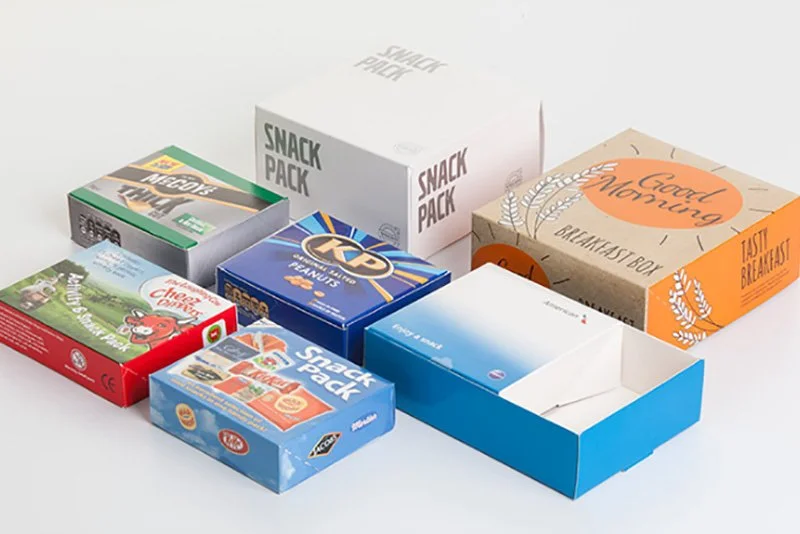
Retail packaging plays an important role in how products are presented, protected, and sold. When customers browse stores or shop online, packaging is often the first thing they notice about a product. A well-designed package can communicate quality, make products easier to recognize, and create a professional impression. Businesses use retail packaging to attract attention, provide product information, and make their merchandise more appealing to potential buyers.
From small cosmetic boxes to food cartons, gift packaging, and electronics boxes, every product requires packaging that suits its purpose. Custom retail packaging allows businesses to choose the right dimensions, materials, printing styles, and finishes according to their needs. Attractive packaging combined with practical functionality can help brands create a consistent appearance and improve the overall customer experience.
How Retail Packaging Influences Customer Perception
Packaging can influence how customers perceive a product before they even use it. Colors, graphics, typography, and material quality contribute to the overall impression a brand creates. Clean and organized packaging can make a product appear more trustworthy, while inconsistent designs may make it harder for customers to recognize a brand among competing products.
Retail businesses can use packaging to communicate their identity and create a recognizable appearance across different product categories. Custom retail packaging boxes provide space for logos, product names, descriptions, and promotional information. When these elements are designed carefully, packaging becomes more than a container; it becomes part of the brand’s overall presentation and customer experience.
Different Types of Retail Packaging
Retail products come in many shapes and sizes, which makes packaging selection an important part of product planning. Folding cartons are commonly used for lightweight products such as cosmetics, accessories, skincare, and small consumer goods. Kraft boxes offer a natural appearance, while rigid boxes provide a stronger structure for premium products and gift items.
Other packaging options include window boxes, product sleeves, tuck boxes, corrugated cartons, and custom mailer boxes. Businesses can select packaging according to product dimensions, display requirements, and protection needs. Choosing a suitable packaging style helps keep products organized while making them easier to store, handle, and display.
Custom Printed Retail Packaging for Brand Recognition
Custom printed retail packaging helps businesses create a consistent visual identity across their products. Logos, brand colors, typography, product illustrations, and creative layouts can make packaging recognizable to customers. A well-planned design can also communicate product details and distinguish one brand from another in a competitive retail environment.
Printed packaging can include ingredients, instructions, product features, barcodes, promotional messages, and QR codes. Businesses can choose minimal designs with subtle branding or colorful layouts that highlight their products. The key is to keep the packaging clear, readable, and visually balanced so customers can quickly understand what the product offers.
Retail Display Packaging for Product Visibility
Retail display packaging is designed to present products in an organized and accessible way. Countertop display boxes are useful for smaller products placed near checkout areas, while shelf-ready packaging helps retailers arrange products quickly. Floor displays are often used for promotional campaigns, seasonal merchandise, and products that need additional attention in larger stores.
The structure of a display should match the product quantity, available space, and retail environment. Easy access, stable construction, and clear branding can make displays more practical for both shoppers and store employees. Businesses can customize retail display packaging with different shapes, compartments, printing styles, and dimensions to suit their merchandising requirements.
Choosing the Right Material for Retail Packaging
Material selection affects packaging strength, printing quality, appearance, and cost. Paperboard is a popular choice for retail packaging because it is lightweight, flexible, and suitable for different printing techniques. Corrugated cardboard offers additional protection for products that need stronger packaging during storage, handling, or distribution.
Kraft paper and cardboard are often selected for their natural appearance and versatility. White cardboard works well for bright colors and detailed printing, while thicker materials can support heavier products. Businesses should consider product weight, fragility, storage conditions, and transportation requirements before selecting packaging materials.
Premium Finishes for Custom Retail Boxes
Finishing options can improve the appearance of packaging and help brands create a distinctive presentation. Matte finishes offer a smooth, understated look, while gloss finishes add shine and make colors appear more vibrant. Spot UV can highlight specific areas of a design, such as a brand logo, product name, or decorative pattern.
Embossing and debossing create raised or recessed details that add texture to packaging. Foil stamping can introduce metallic accents in gold, silver, or other colors. These finishing techniques are commonly used for luxury products, cosmetics, gift items, and premium retail merchandise. Selecting the right finish helps packaging match the brand’s style without making the design unnecessarily complicated.
Sustainable Retail Packaging Options
Many businesses are exploring ways to reduce unnecessary packaging materials and improve their packaging choices. Recyclable cardboard, paperboard cartons, kraft packaging, and right-sized boxes can be useful options for brands looking to simplify their packaging. Reducing excessive layers and selecting practical box structures can also help minimize material use.
Sustainable retail packaging should be chosen according to the product’s protection requirements and the material’s actual properties. Coatings, laminations, adhesives, and mixed materials may affect recycling options. Businesses should evaluate the packaging as a complete structure instead of relying only on labels such as eco-friendly or recyclable.
Retail Packaging for Different Industries
Every industry has its own packaging requirements. Cosmetic and skincare brands often use printed cartons, product inserts, and premium finishes to create an attractive appearance. Food businesses need packaging appropriate for the product, including food-contact safety, grease resistance, moisture protection, or ventilation where necessary.
Electronics and accessories may require inserts to keep products secure and prevent movement inside the box. Clothing and fashion businesses often use branded bags, paper wrapping, sleeves, and product boxes. Gift retailers may prefer decorative boxes with inserts and premium finishing. Custom retail product packaging allows businesses to develop packaging that fits the product while maintaining a consistent brand presentation.
Wholesale Retail Packaging for Growing Businesses
Ordering retail packaging wholesale can help businesses manage regular packaging requirements and maintain consistency across multiple products. Bulk orders may reduce the per-unit cost depending on material selection, box dimensions, printing requirements, finishing options, and production quantity. Wholesale packaging is particularly useful for businesses with established products and consistent demand.
Before placing a large order, businesses should check packaging samples for dimensions, material strength, color accuracy, printing quality, and structural performance. Planning order quantities carefully can help avoid unnecessary inventory and storage costs. A reliable packaging supplier can also help businesses maintain consistent packaging quality as their product range or sales volume grows.
How to Choose the Right Retail Packaging
Choosing suitable Custom Packaging Wholesale starts with understanding the product and the way it will reach customers. Businesses should consider product size, weight, fragility, storage conditions, display requirements, and branding goals. Packaging should provide enough protection without adding unnecessary bulk or making products difficult to handle.
The design should also match the target audience and retail environment. Products displayed on crowded shelves may need clear branding and recognizable colors, while premium items may benefit from subtle designs and elegant finishes. Reviewing a packaging sample before production can help identify problems and ensure the final design meets both practical and visual requirements.
Frequently Asked Questions
What is retail packaging used for?
Retail packaging is used to protect products, communicate product information, improve presentation, and support sales. It also helps businesses create brand recognition and provide customers with a more organized shopping experience.
What are the most common retail packaging styles?
Common styles include folding cartons, kraft boxes, rigid boxes, tuck boxes, window boxes, corrugated cartons, product sleeves, paper bags, and retail display packaging.
Can retail packaging be customized with a logo?
Yes, businesses can customize packaging with logos, brand colors, product names, graphics, promotional messages, and other design elements to create branded packaging.
Which material is best for retail packaging?
Paperboard is suitable for many lightweight products, while corrugated cardboard offers greater protection. Kraft materials provide a natural look, and rigid board is often used for premium products.
Is custom retail packaging suitable for small businesses?
Yes, custom retail packaging can help small businesses present their products professionally and establish a recognizable brand. Simple box styles and practical customization can help manage costs.
Can retail packaging be ordered wholesale?
Yes, businesses can order retail packaging in bulk. Pricing usually depends on order quantity, material, dimensions, printing, finishing, and structural requirements.
What is the difference between retail packaging and shipping packaging?
Retail packaging focuses on product presentation, branding, and protection at the point of sale. Shipping packaging focuses more on protecting products during transportation and handling.
How can retail packaging become more sustainable?
Businesses can explore recyclable paper-based materials, reduce unnecessary packaging layers, choose appropriate box sizes, and avoid materials that complicate recycling when possible.