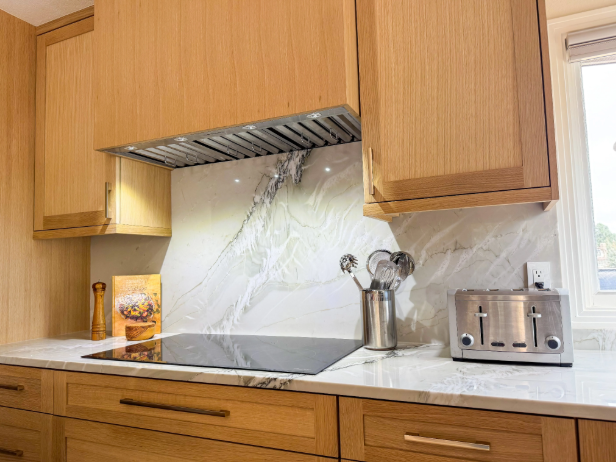
A kitchen can look beautiful and still feel uncomfortable if cooking smoke, grease, and odors have nowhere to go. Cooking creates moisture, heat, and airborne grease that settle on cabinets and walls if they are not removed quickly. Ventilation is often treated as an afterthought during remodeling, yet it shapes air quality, cabinet cleanliness, and even how pleasant the room feels during a long meal prep. Many homeowners who want a clean, built-in look choose a hood fan insert, which is the working core of a custom hood that sits hidden inside a decorative shell made of wood, plaster, metal, or stone. Because the insert handles the actual airflow, the fan, the lighting, and the filters, choosing one wisely matters far more than the outside finish. This guest post explains the key factors to weigh, from airflow ratings and noise levels to duct planning and cleaning habits, so you can make a confident decision before any cabinetry or finish work begins. A little planning at this stage prevents costly changes later and keeps the whole project on schedule.
Matching Size, Airflow, and Sound Level to Your Cooktop
Start with size and airflow, since these two choices decide whether the hood actually performs. Width should usually match or slightly exceed the cooktop below it, which helps capture rising steam from the outer burners. Airflow is measured in cubic feet per minute, and the right number depends on the stove type and how often you cook. Gas ranges and high-heat cooking such as searing or frying call for stronger capacity than a basic electric cooktop used for light meals. A common rule is to match airflow to the burner output, though it is wise to avoid going far beyond what you need, because oversized fans can pull conditioned air out of the home and may require makeup air. When comparing any hood fan insert, also look at the sone rating, which describes noise. Lower numbers mean a quieter kitchen, and a fan that is too loud tends to be switched off, defeating its purpose.
Ducts, Filters, and Lighting That Work Together
Next, think about ducting, filters, and lighting, because these details determine how smoothly the system works over time. Short, straight duct runs with few elbows move air more efficiently, so planning the route to the exterior early is valuable. Rigid metal ducting of the correct diameter is generally preferred over flexible material, which can restrict flow and trap grease. Filters are the second major point. Baffle and mesh styles both capture grease, but baffle filters are usually easier to clean and often dishwasher-safe, which suits busy households. Lighting deserves attention too, since good task lighting makes cooking safer. Look for dimmable, energy-efficient LED options that illuminate the entire cooking surface evenly. Remember that every hood fan insert needs adequate clearance above the cooktop, and local building codes or manufacturer guidance usually specify the minimum distance. Checking these requirements before ordering cabinetry or a custom shell avoids awkward adjustments and keeps the finished look clean and balanced.
Conclusion
Maintenance and long-term value round out the decision. Cleaning filters every month or two, wiping the interior surfaces, and checking the exhaust cap outdoors will keep airflow strong and reduce fire risk from grease buildup. Choose a model with easily removable parts so these tasks do not become a chore. When you compare options, put performance, noise, filter type, and warranty coverage side by side rather than focusing on price alone. Homeowners planning a custom hood often find that a well-chosen insert range hood gives them design freedom, because the outer shell can be styled to match the cabinetry while the internal components do the heavy lifting. Whatever finish you prefer, the quality of the hood fan insert inside will decide how comfortable the kitchen feels for years. Measure carefully, plan the duct route, and match capacity to your cooking style, and you will end up with a kitchen that stays fresh, bright, and welcoming.