
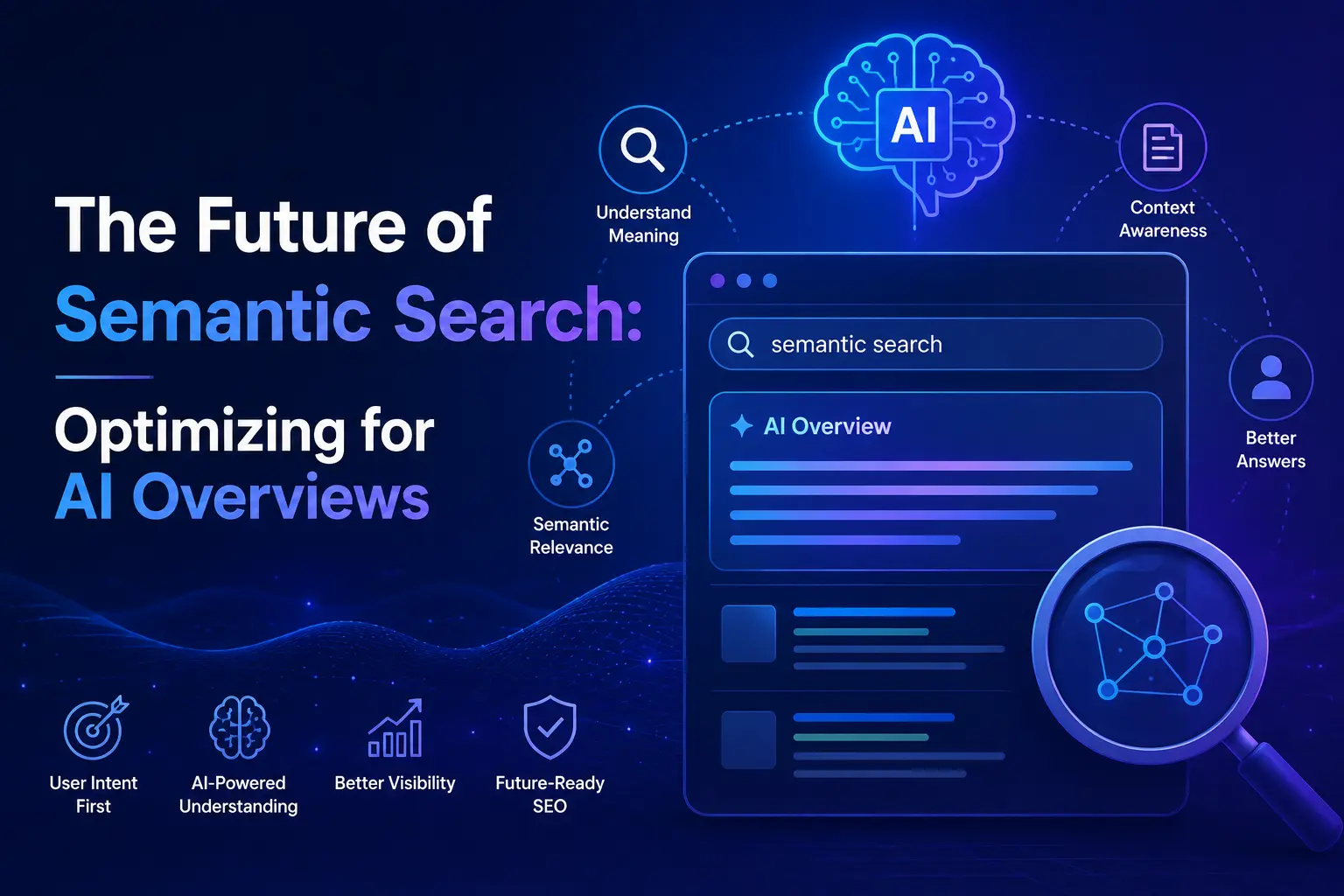
Modern search has moved beyond matching keywords to interpreting intent. In 2026, the primary goal of search technology is to deliver comprehensive, immediate answers that resolve a user’s problem within the search interface itself. For content creators, this means optimizing for “semantic relevance”—the ability of your content to be clearly understood and attributed by advanced machine-learning models.
Why Semantic Relevance Defines Visibility
Search engines no longer view your content as a collection of isolated terms; they view it as a map of concepts. When you create content, you are essentially defining the relationship between different ideas within your industry. If your writing provides clear, structured answers to specific questions, search algorithms recognize your site as an authoritative entity for those topics, increasing the likelihood that you will be featured in AI-generated responses.
-
Topical Clustering: Create deep, multi-faceted content hubs that cover a subject from every angle, signaling to search systems that your site is a comprehensive resource.
-
Entity Recognition: Ensure your content consistently references key industry terms and concepts in a way that allows machines to identify you as an expert authority.
-
Natural Language Precision: Write in the same way your audience speaks, focusing on conversational clarity rather than trying to hit a specific keyword density.
-
Direct Answer Architecture: Start your sections with clear, declarative statements that act as “summary answers” for the information that follows.
Technical Frameworks for AI Attribution
To thrive in the era of AI overviews, your technical SEO must support the content’s semantic value. Machines need clear signals to process your information and credit your brand accurately.
-
Schema Markup Implementation: Use structured data to explicitly define your business, your authors, and the specific topics you cover, making it easy for search engines to categorize your site.
-
Logical Heading Hierarchies: Organize your articles using clear, descriptive headings that act as an outline for the machine to understand your content’s structure.
-
Cross-Linking Concepts: Create internal links that connect related ideas, reinforcing the topical map you have built and helping the algorithm navigate your site’s expertise.
-
Authoritative Attribution: Ensure every piece of content has a clear author profile linked to your site, allowing search engines to attribute expert content to specific, verified human entities.
Future-Proofing Through Helpful Content
The core of semantic SEO remains a relentless focus on human utility. No amount of technical optimization can compensate for content that fails to solve the user’s problem. By prioritizing original insights, clear communication, and verified expertise, you create a standard of value that AI systems are programmed to favor. Think of your site as a library of knowledge; when you provide the most accurate and easy-to-digest information, you naturally become the preferred source for search engines and users alike. This commitment to quality is the only strategy that remains effective as search technology evolves.
Frequently Asked Questions
How is semantic search different from traditional SEO? Traditional SEO focuses on keyword matching, whereas semantic search focuses on interpreting the meaning and intent behind a user’s query to provide a direct answer.
Do I need to change how I write my articles? Yes. Focus on providing clear, comprehensive answers to user questions. Avoid “fluff” and prioritize direct, concise explanations that provide immediate value.
What is an entity in SEO? An entity is a real-world person, place, or concept that a search engine recognizes and has a set of verified facts about, such as your brand or an industry-specific topic.
How does schema markup help with AI overviews? Schema markup provides the machine-readable “facts” about your content, making it much easier for AI to understand what your page is about and how it answers a specific query.
Is keyword research still relevant? It is still useful for understanding what topics your audience cares about, but it should guide your content strategy rather than dictating your writing style.