

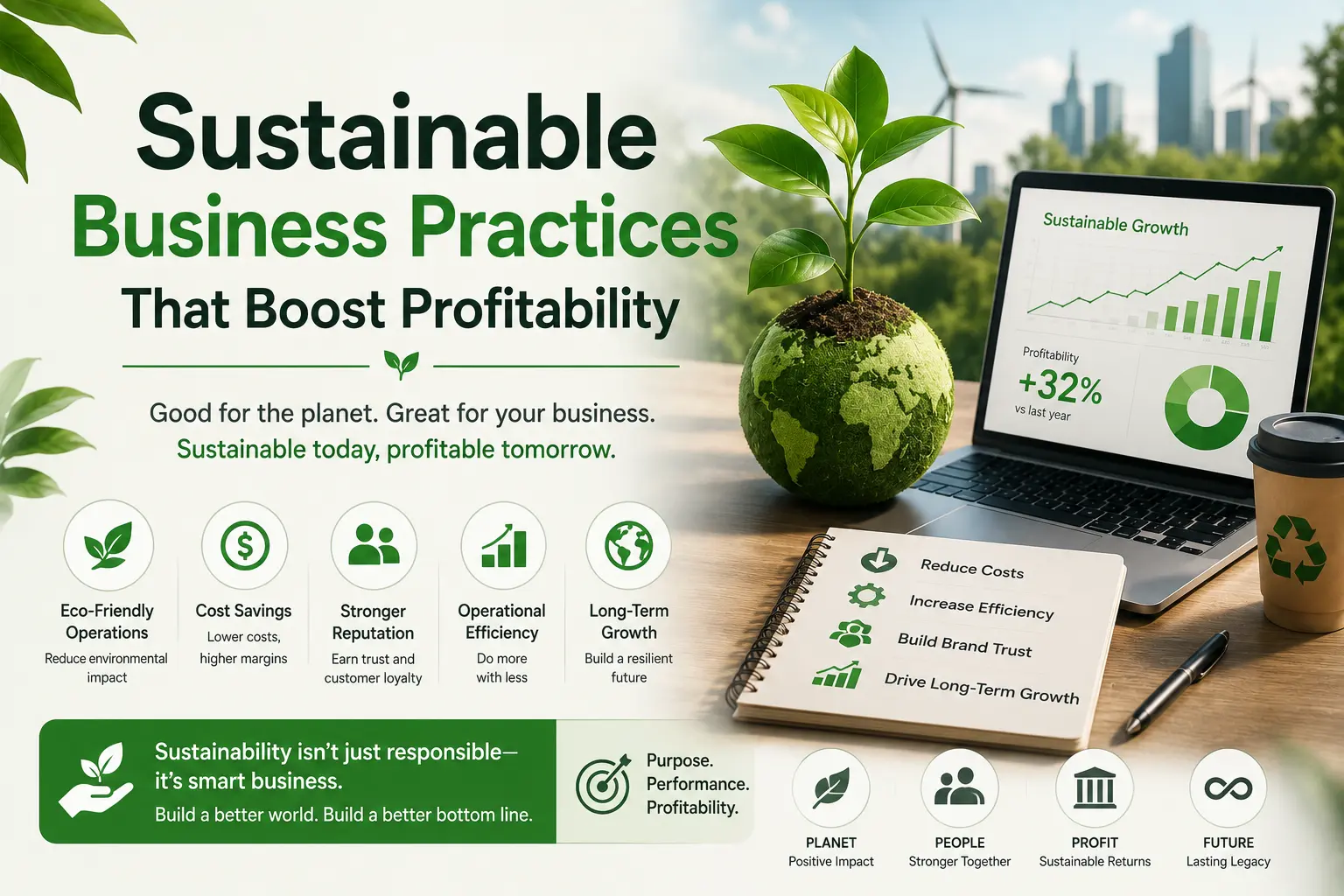
Integrating sustainability into a corporate strategy is often viewed through the lens of compliance or public relations. However, the most successful organizations treat environmental and social responsibility as a core driver of financial performance. By optimizing resource use and aligning operations with long-term efficiency, companies can simultaneously lower overhead and strengthen their market position.
Resource Efficiency as a Cost-Reduction Engine
Waste is essentially unoptimized capital. When businesses refine their processes to use less energy, water, and raw materials, they directly improve their margins. This transition goes beyond simple recycling; it involves a fundamental redesign of production cycles to eliminate inefficiencies. By shifting toward circular supply chain models, firms can recover value from byproducts and minimize the expensive disposal fees associated with traditional linear manufacturing.
-
Energy Optimization: Implementing smart grid technology and high-efficiency equipment drastically reduces utility expenses over time.
-
Material Minimization: Rethinking packaging design reduces shipping weight and logistics costs while appealing to eco-conscious consumers.
-
Water Management: Closed-loop cooling systems and advanced filtration reduce high-volume utility bills and mitigate risks during periods of resource scarcity.
-
Supply Chain Transparency: Working closely with upstream partners to reduce waste ensures better pricing stability and reduces the risk of supply disruptions.
Strategic Benefits of Responsible Operations
Adopting sustainable practices creates distinct competitive advantages that translate into higher revenue and brand equity. When a business operates with long-term stability in mind, it attracts a more dedicated workforce and a loyal customer base willing to pay a premium for ethical standards.
-
Talent Acquisition and Retention: Employees increasingly prefer to work for companies that demonstrate genuine concern for their impact, reducing turnover costs.
-
Access to Capital: Financial institutions are prioritizing companies with strong environmental, social, and governance profiles, leading to more favorable lending terms.
-
Risk Mitigation: Proactively addressing environmental regulations prevents future legal fines and allows for smoother transitions during regulatory shifts.
-
Brand Differentiation: Clear messaging regarding sustainable efforts builds deeper trust, which is often the deciding factor in competitive markets.
Navigating the Transition to Lean Sustainability
Achieving profitability through sustainability requires a shift in mindset from short-term quarterly gains to long-term value creation. Leaders must focus on measurable outcomes rather than vague commitments. By setting specific targets for carbon reduction and waste diversion, management can hold the organization accountable and maintain a clear trajectory toward leaner operations. This disciplined approach ensures that every sustainability initiative serves a dual purpose: improving the company’s impact on the planet while bolstering its financial resilience against future economic volatility.
Building Lasting Value
Sustainable growth is not an overnight accomplishment; it is a systematic refinement of business practices. Organizations that successfully weave these initiatives into their daily operations enjoy reduced volatility and higher margins. By focusing on resource efficiency and intentional growth, companies secure a competitive edge that is difficult for rivals to replicate. The most profitable path forward is one that respects the constraints of the environment while relentlessly pursuing operational excellence.
Frequently Asked Questions
How can small businesses afford to be sustainable? Small businesses can focus on low-cost measures like digitizing paper processes and optimizing energy usage, which provide immediate cost savings without heavy investment.
Does sustainability actually increase profit margins? Yes, by reducing waste and energy consumption, businesses lower their operational costs, which directly boosts bottom-line profitability.
How do you measure the financial return of sustainability? You can measure it by tracking key performance indicators like energy cost per unit, reduction in waste disposal fees, and changes in customer lifetime value.
Can sustainability help with customer acquisition? Many consumers actively seek out brands that share their values, making sustainability a powerful tool for differentiation and customer loyalty.
What is the biggest barrier to sustainable profitability? The biggest barrier is often the short-term focus on quarterly results, which can obscure the significant long-term savings and risk-mitigation benefits of sustainable practices.