

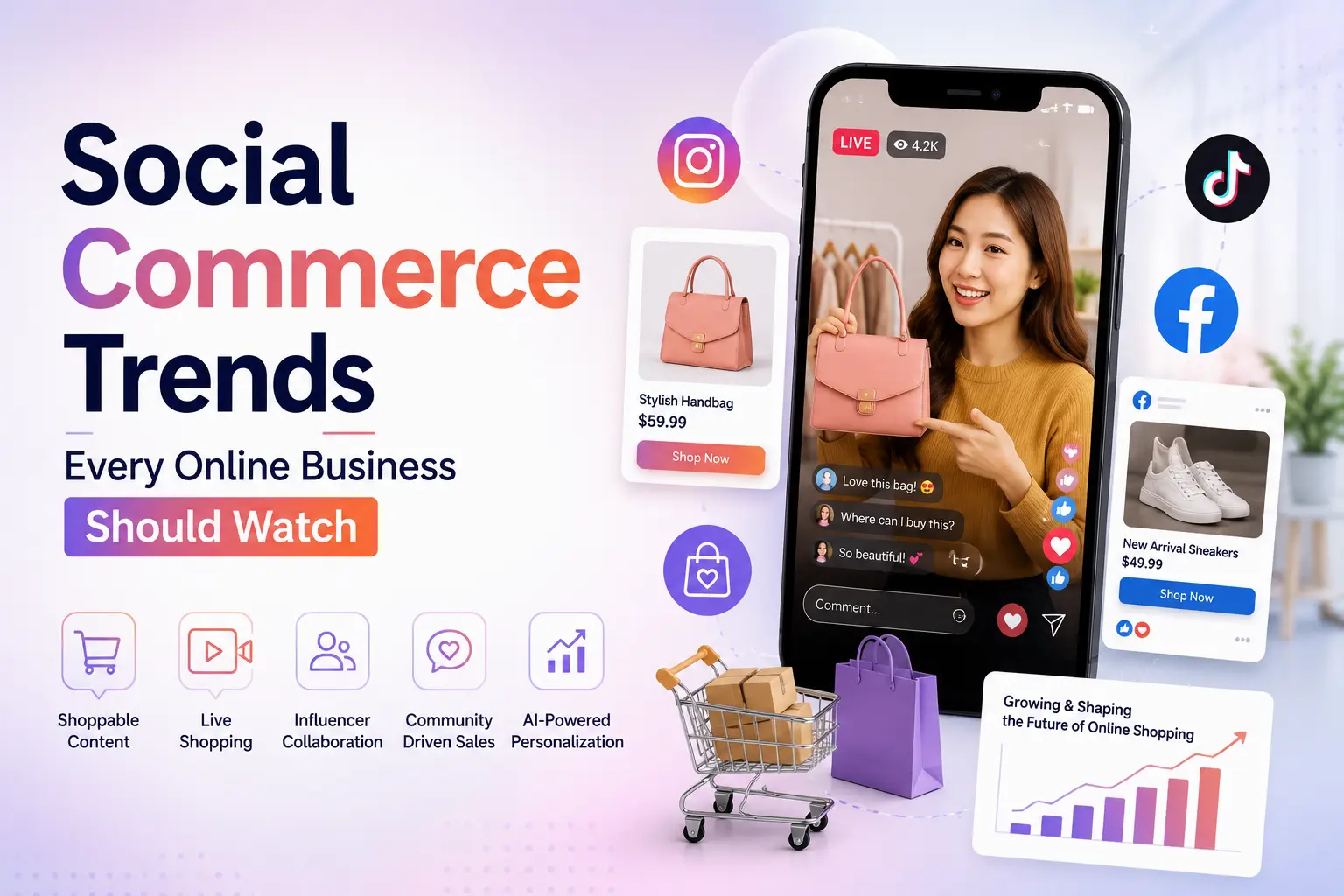
Social commerce has moved beyond a experimental marketing tactic to become a central pillar of digital retail. In 2026, the boundary between a social network and an online storefront has effectively vanished. For online businesses, this represents a fundamental shift: customers no longer visit a website to begin their shopping journey; they discover, evaluate, and purchase products entirely within their favorite social feeds.
The Evolution of Discovery-Driven Sales
The traditional e-commerce funnel, which relied on driving traffic to a landing page, is being replaced by a continuous, non-linear loop. Discovery is now powered by algorithms that curate content based on user behavior, placing products in front of potential buyers before they even express a conscious intent to search.
-
Feed-Based Purchasing: Platforms are optimizing the user interface to ensure that “scrolling” naturally leads to shopping, reducing the cognitive effort required to move from inspiration to transaction.
-
Native Checkout Integration: By keeping the entire purchase process inside the social application, businesses eliminate the friction of redirects, which significantly lowers cart abandonment rates.
-
AI-Curated Collections: Smart algorithms now group products into thematic collections—such as “weekend travel essentials” or “seasonal home decor”—helping browsers find items that fit their immediate context.
-
Real-Time Social Proof: Integrating reviews, user-generated content, and live purchase alerts directly into the shopping flow provides the instant validation shoppers need to commit to a purchase.
Strategic Pillars for Social Commerce Success
To compete in this environment, businesses must adopt an infrastructure that supports seamless social transactions. The focus has moved toward performance-based partnerships and highly interactive content formats.
-
Creator-Affiliate Hybrids: Move away from one-off influencer sponsorships toward long-term affiliate partnerships. By incentivizing creators based on actual sales, you build a consistent, authentic distribution network that functions as an extension of your own sales team.
-
Livestream Shopping Channels: Treat live events as a recurring revenue stream rather than a novelty. These sessions combine real-time product demonstrations with social proof from other viewers, achieving conversion rates that far exceed static web pages.
-
Short-Form Video as the Primary Storefront: Use high-energy, authentic video content to hook viewers in the discovery phase. Ensure these videos are tagged with products, allowing users to transition immediately to a product catalog without leaving the video player.
-
Omnichannel Data Unification: Ensure that your social storefront is synced with your primary website and inventory management systems. This prevents stock discrepancies and allows for a unified customer experience, regardless of where the purchase happens.
Leveraging Authenticity in an AI-Driven Era
As AI becomes the default for content creation and search, consumers are increasingly seeking out human-led storytelling. The brands that win in 2026 are those that use AI to handle the logistics and data analysis while keeping their brand voice deeply personal and human. Authenticity acts as a differentiator; when a real person—or a trusted creator—demonstrates a product, it builds a level of trust that traditional advertising simply cannot replicate. By prioritizing genuine interactions and transparency, businesses can foster lasting advocacy that compounds over time.
Frequently Asked Questions
Why is social commerce growing faster than traditional e-commerce?
It removes friction. By allowing users to discover and buy products in the same place they spend their time, it captures impulse intent and eliminates the need for users to leave their preferred app.
Do I need to abandon my website to succeed in social commerce?
No, use both. Social commerce is excellent for discovery and impulse buys, while your website remains the best place for complex, high-value, or subscription-based products.
How do I measure the success of my social commerce strategy?
Look beyond vanity metrics like likes. Track Gross Merchandise Value (GMV), Conversion Rate (CVR), and Return on Ad Spend (ROAS) specifically tied to your in-app storefronts.
What is the most effective platform for a small business?
Prioritize the platform where your specific audience is most active. For many brands, TikTok Shop or Instagram Shopping offer the best tools for turning engagement into direct sales.
Is livestream shopping necessary for all industries?
While it is essential for fashion, beauty, and lifestyle brands, any business that can benefit from demonstrating how a product works or answering customer questions in real-time will find value in it.