

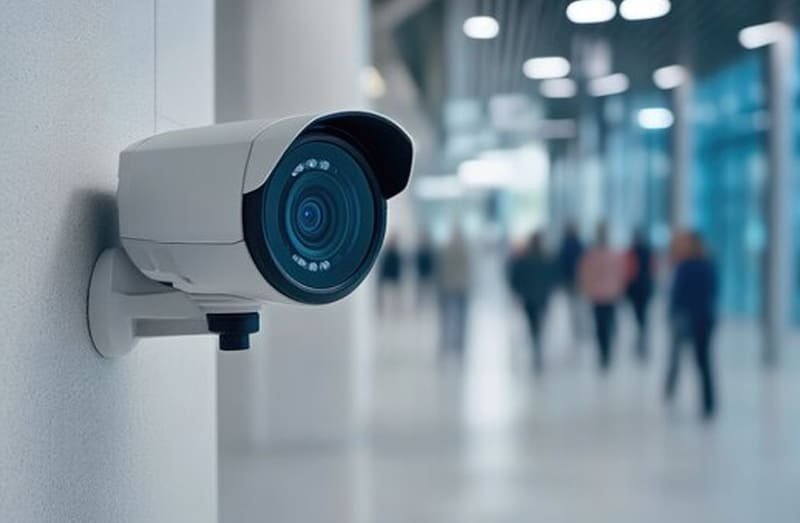
Security is an important consideration for businesses, residential communities and commercial properties. With increasing requirements for property protection and activity monitoring, CCTV surveillance systems have become an essential part of modern security infrastructure. Choosing experienced cctv installers in dubai helps property owners establish surveillance systems that meet their security requirements and provide better visibility across important areas.
Closed-circuit television (CCTV) technology allows users to monitor activities through strategically installed cameras. Modern systems offer features such as high-definition recording, remote viewing, motion detection and video storage. These capabilities help businesses monitor their premises, review recorded footage and improve overall security management.
Why CCTV Surveillance Is Important
A properly designed CCTV system provides continuous monitoring of selected areas within a property. It can help identify unusual activities, monitor entry points and maintain visual records of important incidents.
For commercial buildings, CCTV cameras can be installed in reception areas, corridors, parking facilities, storage rooms and other important locations. Residential properties can also benefit from surveillance systems that monitor entrances, outdoor spaces and common areas.
Some important benefits of CCTV surveillance include:
- Continuous monitoring: Cameras help monitor selected areas throughout the day and night.
- Incident recording: Recorded footage can help review security incidents when required.
- Remote access: Compatible systems allow authorized users to view camera feeds through mobile devices or computers.
- Access monitoring: CCTV cameras can help monitor visitors, employees and vehicle movement.
- Improved security awareness: Visible surveillance equipment can discourage unauthorized activities.
Different Types of CCTV Cameras
Selecting the right camera depends on the property’s layout, lighting conditions and monitoring requirements. Different camera types offer different installation possibilities.
Dome Cameras
Dome cameras are commonly used in offices, retail outlets, reception areas and indoor commercial spaces. Their compact design allows them to blend into different environments.
Bullet Cameras
Bullet cameras are generally suitable for outdoor surveillance. They are commonly installed around building entrances, external walls, parking areas and perimeter locations.
PTZ Cameras
Pan-Tilt-Zoom cameras allow operators to adjust the camera direction and zoom level remotely. They are useful for monitoring larger spaces where flexible camera movement is required.
IP Cameras
IP cameras transmit video through network infrastructure. They can provide high-resolution footage, network connectivity and integration with compatible video management systems.
Important Factors in CCTV Installation
Installing cameras involves more than simply selecting equipment and fixing it to walls or ceilings. A successful surveillance project requires proper planning and technical knowledge.
1. Site Inspection
The installation process should begin with an assessment of the property. Entry points, blind spots, lighting conditions and important monitoring areas should be identified before camera placement is finalized.
2. Camera Positioning
Camera placement plays an important role in surveillance quality. Cameras should be positioned to cover important areas while minimizing obstructions and unnecessary overlapping views.
3. Storage Requirements
Video storage should be planned according to the number of cameras, recording resolution, frame rate and required retention period. Network video recorders and suitable storage solutions help manage recorded footage.
4. Network Connectivity
IP surveillance systems depend on reliable network connectivity. Appropriate cabling, switches and network configuration help maintain communication between cameras and recording equipment.
5. Testing and Maintenance
After installation, cameras should be tested to confirm image quality, recording functionality, remote viewing and storage performance. Periodic maintenance also helps identify equipment issues and maintain system reliability.
SIRA Requirements for CCTV Systems in Dubai
Businesses planning CCTV installations in Dubai should consider the applicable Security Industry Regulatory Agency (SIRA) requirements. Depending on the property type and project, CCTV systems may need to follow specific technical standards, approved equipment requirements and installation procedures.
Working with a qualified security systems provider can help property owners understand the applicable compliance requirements. Proper documentation, suitable equipment selection and professional installation are important considerations when planning a compliant surveillance system.
Choosing a Suitable CCTV Installation Provider
Selecting the right installation provider is an important step in developing an effective surveillance system. Businesses should evaluate technical experience, equipment quality, project planning, installation standards and after-sales support.
A professional provider should understand the property’s security requirements and recommend suitable camera types, recording equipment, network infrastructure and storage options.
Businesses exploring professional cctv installers in dubai can consider solutions that combine surveillance technology with reliable installation and maintenance support. The right system should be designed around the property’s layout, operational needs and applicable security requirements.
Conclusion
CCTV surveillance plays an important role in protecting commercial and residential properties. From camera selection and strategic positioning to network connectivity and recording management, every part of the installation contributes to the overall performance of the system.
By choosing appropriate equipment and professional installation services, property owners can establish effective surveillance infrastructure that supports security monitoring and everyday operations.