

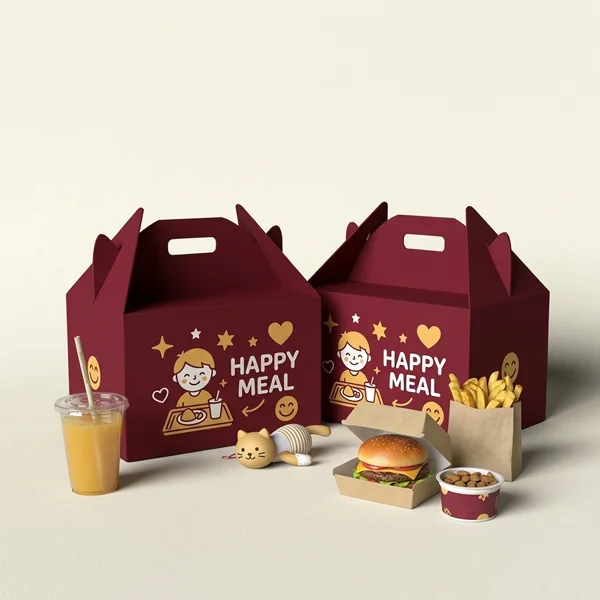
A meal for a child can be more enjoyable when it comes in fun and attractive packaging. A colorful box with a simple design can make lunchtime feel special. For restaurants, cafes, and fast-food businesses, Custom Happy Meal Boxes offer a practical way to serve food while creating a memorable experience for young customers. These boxes can hold different food items and make meals easier to carry. They can also help businesses show their brand in a friendly way. From choosing the right material to adding playful artwork, several details can make a difference. Good packaging should look appealing, keep food secure, and remain easy to handle. It should also suit the needs of the business and its customers. Understanding these details helps restaurant owners choose packaging that works well for everyday service, special promotions, and family-friendly dining experiences.
Choosing Suitable Materials
The material of a personalized happy meal affects its strength, appearance, and daily performance. Restaurants need packaging that can hold food without bending or losing its shape. Paperboard is a common option because it is lightweight and easy to print on. Businesses can also explore recyclable paper-based materials, depending on local facilities and the packaging supplier. The right choice depends on the type of food being served. Dry snacks may need less protection than meals containing sauces or warm items. A suitable material should handle normal serving conditions without creating unnecessary waste. Food safety also deserves attention, so businesses should select materials intended for direct food contact. Checking material specifications before placing a large order can help prevent problems later.
Creating Engaging Designs
Children often notice bright colors, friendly characters, and playful illustrations before anything else. A well-designed meal box can make an ordinary restaurant visit feel more exciting. However, the design should remain clear and easy to understand. Too many colors or pictures can make the packaging look crowded. Restaurants can use simple themes based on animals, space, nature, or seasonal celebrations. Small activities, such as a maze or a drawing area, may also keep children entertained while they wait for their meals. Businesses ordering custom printed Happy Meal boxes can choose artwork that suits their audience and brand personality. The finished design should look attractive from different angles while leaving enough room for important information and practical features.
Improving Brand Recognition
Packaging gives restaurants another place to communicate their identity. A consistent combination of colors, fonts, and graphics helps customers recognize a business more easily. Even a small family restaurant can benefit from a neat and recognizable design. Adding Happy Meal boxes with logo placement allows a brand to remain visible when customers carry meals outside the restaurant. The logo should be clear without taking over the entire design. Contact details, social media information, or a short brand message may also be useful when space allows. Still, the box should remain focused on its main purpose. Customers should be able to open it easily and access their food without struggling with unnecessary decorative elements or complicated folds.
Finding Cost-Effective Options
Packaging costs can affect a restaurant’s daily expenses, especially when meals are sold in large numbers. Buying Happy Meal boxes wholesale may help businesses reduce the cost per unit and maintain a steady supply. However, the lowest price does not always offer the best value. Weak materials, poor printing, or inconsistent sizes can lead to damaged packaging and customer complaints. Before ordering in bulk, businesses should compare prices, minimum order quantities, delivery charges, and production times. Requesting samples is a useful way to check the quality before committing to a large purchase. Restaurants should also estimate how many boxes they use each week. This makes it easier to choose an order quantity that fits their storage space and expected demand.
Balancing Function And Appearance
An attractive box needs to work well during real restaurant service. Its size should match the meal, leaving enough room for the food without allowing items to move around too much. Secure folds and suitable closures can help keep the contents in place during handling. Well-planned Happy Meal packaging boxes should also be simple for staff to assemble during busy hours. Complicated packaging can slow down service and create unnecessary work. Ventilation may be helpful for certain hot foods because trapped steam can affect texture. At the same time, the design should protect the meal from ordinary handling. Testing the box with actual menu items can reveal problems with fit, strength, or opening before the packaging reaches customers.
Exploring Personalization Ideas
Personal touches can make packaging more interesting for children and families. A restaurant might use different designs for birthdays, school holidays, or seasonal events. A personalized happy meal can include a child’s name, a special message, or artwork chosen for a particular promotion. These features can make the experience feel thoughtful, although they may require extra time and money to produce. Businesses should decide whether personalization is suitable for their order volume and service style. For regular restaurant orders, a small selection of themed designs may provide variety without making production too complicated. Personalization can also include interactive elements, such as simple puzzles or coloring activities. The best ideas are easy to use and do not interfere with food safety or packaging performance.
Considering Sustainable Alternatives
Many restaurants are paying closer attention to the amount of packaging they use. Choosing a kraft happy meal box may appeal to businesses that prefer a simple, natural-looking appearance. Kraft paperboard can provide a suitable base for clean designs and practical food packaging. However, its brown color alone does not mean that a box is recyclable, compostable, or environmentally friendly in every situation. Coatings, adhesives, food residue, and local waste collection rules can all affect disposal options. Restaurants should ask suppliers for clear information about material composition and available certifications. Reducing unnecessary packaging can also make a difference. A properly sized box uses less material while still protecting the meal. Practical decisions based on verified product details are more useful than relying on broad environmental claims.
Planning Future Packaging Needs
As a restaurant grows, its Custom boxes manufacturer needs may change. A business that once served a few dozen children’s meals each day might later need thousands of boxes every month. Planning helps avoid rushed orders and unexpected shortages. Restaurants can review sales patterns, upcoming promotions, and storage capacity before selecting their next order quantity. Some suppliers offer retail happy meal boxes in standard sizes, while others provide more flexible options for businesses with specific requirements. Comparing both choices can help restaurant owners balance convenience, cost, and design quality. It is also helpful to ask about repeat orders, printing consistency, and delivery schedules. A reliable supplier should explain production limits clearly and provide realistic timelines. Careful planning keeps packaging consistent as the business develops.
Conclusion
Good meal packaging does more than hold food. It supports convenient service, protects the meal, and gives children a more enjoyable dining experience. Custom Happy Meal Boxes allow restaurants to combine practical features with designs that reflect their identity. The choice of material, box size, printing quality, and opening style can all influence how well the packaging performs. Businesses should consider these details before selecting a supplier or placing a large order.
The best choice is one that fits the menu, budget, and needs of the customers. Testing samples and reviewing supplier information can prevent common problems. With a thoughtful approach, restaurants can create packaging that looks appealing, works reliably, and makes family meals easier to enjoy.