

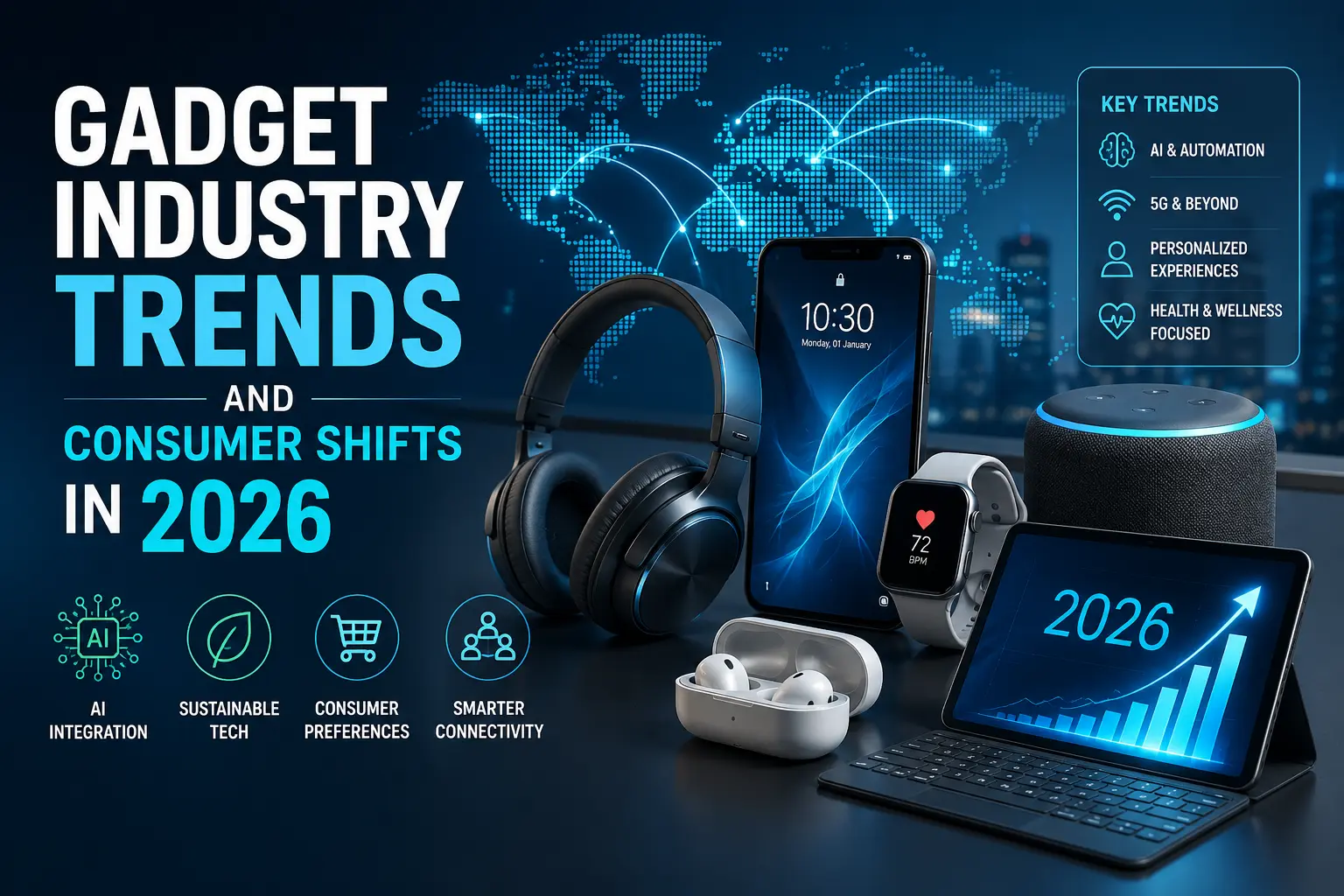
The consumer electronics landscape in 2026 is defined by a fundamental shift from feature-heavy hardware to “experience-centric” technology. As artificial intelligence moves from the cloud to the device itself, gadgets are evolving into proactive digital companions. This evolution is reshaping how we work, manage our homes, and prioritize our personal health, all while operating within a new paradigm of verified sustainability.
The Era of Ambient Intelligence
Artificial intelligence is no longer a separate application or service; it is the invisible, ambient layer powering nearly every modern gadget. By 2026, the industry has prioritized on-device processing, which keeps user data local, enhances privacy, and provides instantaneous response times without relying on lagging internet connections.
-
Proactive Personalization: Devices now anticipate user needs based on learned habits—such as adjusting climate control before you enter a room or pre-loading work documents based on your calendar—without requiring manual input.
-
Edge Computing Capabilities: With specialized neural processing units embedded directly into phones, laptops, and wearables, gadgets handle complex tasks like real-time language translation and biometric analysis locally and securely.
-
Conversational Interfaces: Voice and gesture control have matured, enabling context-aware interactions that feel more natural and less transactional, effectively blending digital tools into daily life.
-
Smart Home Harmonization: Connectivity standards have unified disparate systems, allowing gadgets from different brands to communicate securely, creating truly cohesive and predictive living environments.
Wearables and the Future of Health Tech
Smartwatches and fitness trackers have graduated from simple step-counters to sophisticated, medical-grade diagnostic hubs. The focus for 2026 is on non-invasive monitoring and seamless integration with personal healthcare journeys.
-
Continuous Health Monitoring: Next-generation sensors are moving toward measuring critical biometrics like glucose levels and hydration status without needles or intrusive procedures.
-
Hearable Advancements: Ear-based wearables are becoming the primary interface for health data collection, offering real-time feedback on stress levels and fatigue during the workday.
-
Medical-Grade Diagnostics: Features that were once considered premium novelties, such as advanced ECG and sleep-cycle analysis, are now baseline expectations for mid-tier consumer devices.
-
Preventive Wellness Loops: Devices synchronize biometric data with cloud-based AI to offer preventive care suggestions, shifting the gadget’s role from a reactive tracker to a proactive wellness partner.
The Mandate for Verified Sustainability
Sustainability has transitioned from a marketing claim to a core operational requirement. Regulators and consumers alike now demand hard, verifiable data regarding the lifecycle of every electronic device.
-
Circularity as Standard: Design for disassembly, repairability, and the use of recycled materials are no longer optional. Manufacturers are increasingly adopting modular designs that extend product lifecycles.
-
Digital Product Passports: Products are being equipped with data-rich “passports” that disclose material composition, carbon footprints, and end-of-life handling instructions to ensure transparency.
-
Verified Proof: Greenwashing is under intense scrutiny. Brands are now expected to back every sustainability claim—from energy efficiency to recyclable packaging—with traceable, third-party verified data.
Conclusion
The gadget industry in 2026 is prioritizing human-centric innovation over sheer technical specifications. Whether it is through smarter AI that works quietly in the background, wearables that prioritize our health, or a commitment to circular manufacturing, the products shaping our lives are becoming more intuitive and responsible. For consumers, this means gadgets are no longer just tools we use; they are becoming essential partners that simplify our environments and extend our personal capabilities.
Frequently Asked Questions
How does “on-device AI” benefit the average user?
On-device AI provides faster response times, works offline, and keeps sensitive biometric or personal data on your gadget rather than sending it to a cloud server, significantly increasing privacy.
Why is repairability becoming a major focus for gadget manufacturers?
Rising regulatory requirements and consumer demand for long-lasting products have made modular design and repairability a competitive necessity to reduce electronic waste and extend product lifecycles.
Will my smart home devices finally work together?
Yes. Modern interoperability standards have made it easier than ever for devices from different brands to communicate, enabling centralized control of lighting, security, and climate systems.
What should I look for when buying “sustainable” electronics?
Look for devices with clear documentation on material sourcing, repairability scores, and verifiable energy-efficiency ratings rather than vague “eco-friendly” marketing labels.
Are gadgets becoming more expensive in 2026?
While premium, feature-rich gadgets remain at higher price points, the market is seeing a split between high-end innovation and feature-rich, affordable devices designed to maximize accessibility.