

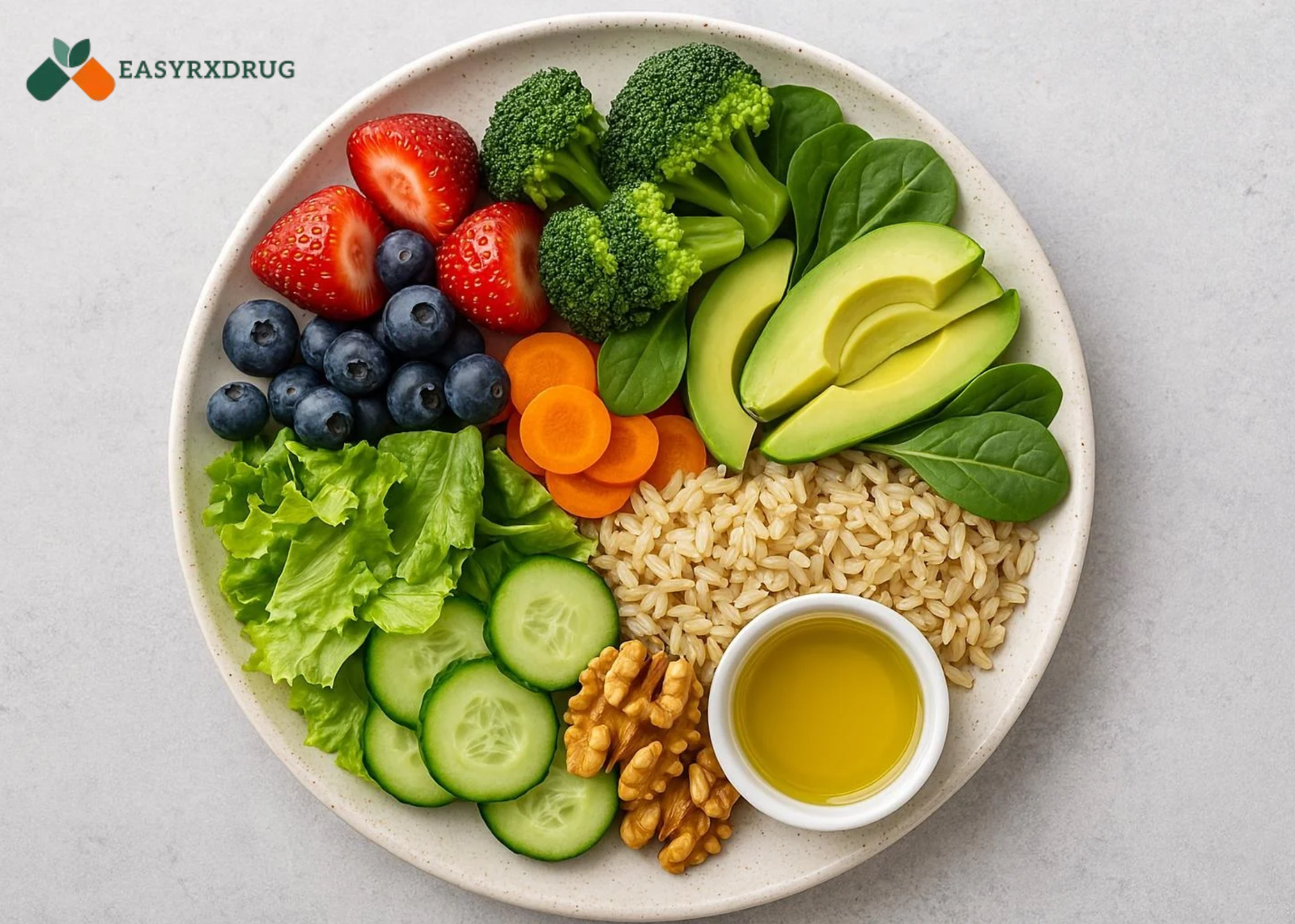
Building a healthy body is not only about exercising regularly or following a strict diet. Good nutrition plays an important role in supporting energy levels, muscle function, immunity, digestion, and overall well-being. The foods and drinks we consume every day provide the nutrients our bodies need to perform essential functions and maintain good health.
Developing healthy nutrition habits does not require expensive foods or complicated meal plans. Simple changes, such as eating balanced meals, choosing whole foods, drinking enough water, and maintaining regular meal timings, can make a meaningful difference over time.
For additional general medicine information and healthcare resources, visit EasyRxDrug. Remember that individual nutritional and medical needs can differ, so professional guidance is valuable when making significant changes to your diet or treatment routine.
In this article, we will explore some of the best nutrition habits for building a healthy body and maintaining a balanced lifestyle.
1. Eat a Balanced Diet Every Day
A balanced diet provides the body with different nutrients required for normal growth and daily activities. Instead of depending on only one type of food, include a variety of food groups in your daily meals.
A healthy eating pattern should include:
- Fruits and vegetables for vitamins, minerals, and fibre
- Whole grains for energy and dietary fibre
- Protein-rich foods for muscle maintenance and tissue repair
- Healthy fats for essential body functions
- Dairy products or suitable alternatives for calcium and other nutrients
Eating a variety of foods helps reduce the risk of nutritional gaps. Try to include different colours of fruits and vegetables throughout the week to benefit from a wider range of nutrients.
2. Include Enough Protein in Your Meals
Protein is an essential nutrient that supports muscle maintenance, tissue repair, and many other body functions. It is particularly important for people who exercise regularly because physical activity places demands on muscles.
For example, Iverheal is a brand associated with ivermectin, an antiparasitic medicine used for certain parasitic infections. It is not a nutritional supplement, protein product, or medicine for building muscle. It should only be used for an appropriate medical indication under the guidance of a qualified healthcare professional.
Some nutritious sources of protein include:
- Eggs
- Milk and yogurt
- Fish and lean meat
- Beans and lentils
- Chickpeas
- Soybeans and tofu
- Nuts and seeds
Including a protein source in your main meals can help you maintain a balanced diet. Your daily protein needs depend on factors such as age, body weight, activity level, and health conditions.
Remember that protein alone does not build muscle. Regular resistance exercise, adequate calories, recovery, and sufficient sleep are also important.
3. Choose Whole Foods More Often
Whole or minimally processed foods are generally useful choices when planning a nutritious diet. They often provide a combination of vitamins, minerals, fibre, and other beneficial nutrients.
Examples include fresh fruits, vegetables, oats, brown rice, whole-wheat products, nuts, seeds, and legumes.
Try to limit frequent consumption of foods that contain excessive added sugar, salt, or unhealthy fats. Packaged snacks, sugary drinks, and heavily processed meals can contribute to an unbalanced eating pattern when consumed too often.
You do not need to eliminate every favourite food. The goal is to make nutritious foods the regular foundation of your meals.
4. Drink Enough Water Throughout the Day
Water is essential for many body functions, including temperature regulation, digestion, circulation, and nutrient transportation. Not drinking enough fluids may contribute to dehydration, tiredness, and difficulty concentrating.
To support healthy hydration:
- Drink water regularly throughout the day.
- Carry a reusable water bottle when travelling.
- Drink additional fluids during hot weather or physical activity.
- Include water-rich foods such as cucumber, watermelon, and oranges.
- Pay attention to thirst and changes in urine colour.
Fluid requirements vary depending on climate, activity, age, and health conditions. People with medical conditions that require fluid restrictions should follow their healthcare professional’s advice.
5. Eat Fruits and Vegetables Daily
Fruits and vegetables provide essential vitamins, minerals, antioxidants, and dietary fibre. Fibre supports digestive health and can help maintain regular bowel movements.
Try to include a variety of vegetables and fruits in your daily routine. For example, add leafy vegetables to lunch, include a fruit with breakfast, or choose fresh fruit instead of sugary snacks.
Different fruits and vegetables contain different nutrients, so eating a variety is more beneficial than depending on only one option.
6. Do Not Skip Breakfast or Depend on Irregular Meals
A regular meal routine can help some people maintain consistent energy levels and make balanced food choices. Breakfast may provide an opportunity to include whole grains, protein, and fruit in the morning.
A simple breakfast could include oatmeal with milk, eggs with whole-grain toast, or yogurt with fruit and nuts.
However, there is no single meal schedule that works for everyone. The most important factor is meeting your nutritional needs throughout the day and choosing foods that support your lifestyle.
7. Include Healthy Fats in Your Diet
Fats are an important part of a balanced diet. They provide energy and help the body absorb certain vitamins. The type of fat you choose matters.
Useful sources of unsaturated fats include:
- Almonds and walnuts
- Seeds such as chia and flaxseed
- Olive oil
- Avocados
- Fatty fish
Try to limit excessive intake of trans fats and foods high in saturated fats. Replacing some saturated fats with unsaturated fats can support a healthier eating pattern.
8. Support Muscle Health With Proper Nutrition and Exercise
Building and maintaining muscle requires more than eating protein-rich foods. A combination of balanced nutrition, regular resistance training, adequate rest, and consistent habits is important.
Strength-training activities may include bodyweight exercises, resistance bands, or weight training. Beginners should start at a suitable level and gradually increase exercise intensity.
Carbohydrates also play an important role because they provide energy for physical activity. Whole grains, fruits, vegetables, and legumes can help supply carbohydrates along with other nutrients.
Avoid extreme diets or unverified muscle-building products. A qualified dietitian or healthcare professional can help you understand your individual nutritional requirements.
9. Reduce Excess Sugar and Highly Processed Foods
Consuming too many foods and drinks with added sugar may make it harder to maintain a balanced diet. Sugary beverages, sweets, packaged desserts, and some breakfast products can contain substantial amounts of added sugar.
A few practical changes can help:
- Choose water instead of sugary drinks more often.
- Read nutrition labels before buying packaged foods.
- Choose fresh fruit when you want something sweet.
- Prepare more meals at home.
- Keep highly processed snacks as occasional choices rather than everyday staples.
Small, consistent changes are generally easier to maintain than sudden and restrictive diet plans.
10. Maintain Healthy Sleep and Daily Routines
Nutrition is only one part of a healthy lifestyle. Sleep, physical activity, and stress management also contribute to overall well-being.
Adults generally need around seven to nine hours of sleep each night, although individual requirements can vary. Maintaining a regular sleep schedule may support recovery and daily energy.
Combine nutritious meals with regular movement, suitable exercise, and time for relaxation. These habits can help create a sustainable routine for long-term health.
11. Understand the Role of Medicines in Overall Health
Good nutrition supports general health, but food and dietary habits cannot replace medical treatment when a person has a diagnosed health condition.
For example, Iverheal is a brand associated with ivermectin, an antiparasitic medicine used for certain parasitic infections. It is not a nutritional supplement, protein product, or medicine for building muscle. It should only be used for an appropriate medical indication under the guidance of a qualified healthcare professional.
People should not take antiparasitic medicines simply to improve general health or without a proper diagnosis. The correct medicine and treatment plan depend on the infection and the individual’s medical circumstances.
For general medicine information and healthcare-related resources, readers can visit EasyRxDrug. Always check the medicine’s approved uses, precautions, and prescription requirements, and consult a healthcare professional before using any medication.
12. Build Healthy Habits Gradually
One of the most effective ways to improve nutrition is to make small changes that can be maintained over time. A strict diet may be difficult to follow, while simple daily habits can become part of a normal routine.
You can begin by:
- Adding one serving of vegetables to your meals.
- Eating fruit regularly.
- Including protein sources in your meals.
- Drinking water throughout the day.
- Choosing whole grains more often.
- Reducing frequent sugary drinks.
- Planning meals in advance.
- Staying physically active.
Consistency matters more than following a perfect diet for only a few days.
Conclusion
Building a healthy body starts with balanced nutrition and sustainable lifestyle habits. Eating a variety of whole foods, including protein sources, drinking enough water, choosing healthy fats, and consuming fruits and vegetables can support overall well-being.
Regular exercise, sufficient sleep, and healthy daily routines are equally important. Avoid extreme diets and do not use medicines or supplements without understanding their purpose and potential risks.
For additional general medicine information and healthcare resources, visit EasyRxDrug. Remember that individual nutritional and medical needs can differ, so professional guidance is valuable when making significant changes to your diet or treatment routine.