

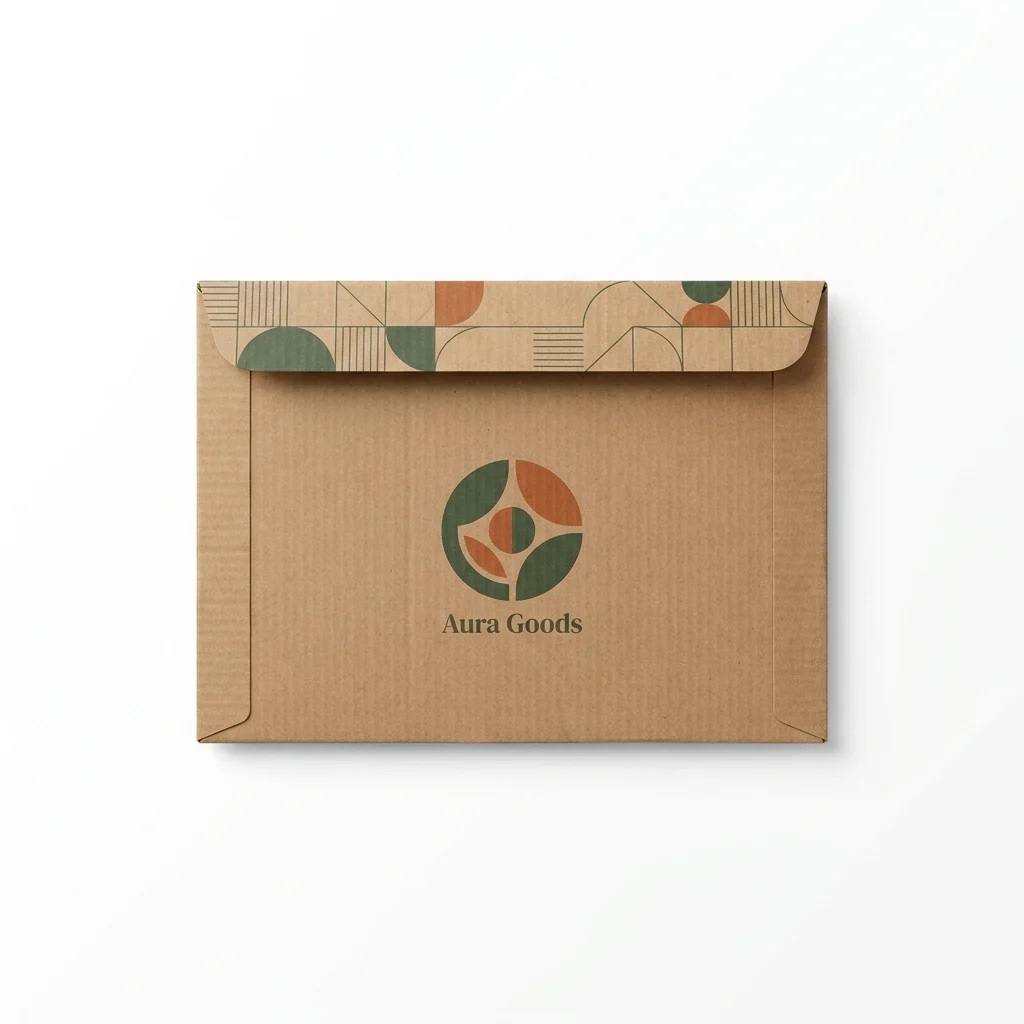
Rigid packaging can make a real difference when you need to ship products that should arrive in good condition. Flat items such as photographs, documents, artwork, and invitations can bend or develop creases during delivery. Regular envelopes may not offer enough support, especially when parcels pass through busy sorting centers. Rigid Mailers provide a stronger option for sending these items without adding the bulk of a box. They are designed to help keep contents flat and reduce damage during handling. However, choosing the right packaging involves more than picking a sturdy envelope. You also need to consider the product size, material, appearance, and shipping requirements. Understanding these details can help you make a sensible choice, protect your products, and create a better experience for your customers.
Understanding Packaging Basics
custom rigid mailers are flat mailing envelopes made from firm materials such as thick paperboard or reinforced cardboard. Unlike standard paper envelopes, they resist bending and provide added support for lightweight, flat products. Many designs include a self-sealing adhesive strip that makes packing quick and convenient. Some also feature tear strips for easier opening. These envelopes are useful for businesses that send documents, certificates, photographs, artwork, and printed marketing materials. They can also work well for personal shipments that need extra protection. Although they help prevent bending, they are not completely damage-proof. Their performance depends on the material thickness, construction, and handling conditions. Choosing a suitable design helps balance protection, convenience, and shipping costs without using unnecessary packaging.
Selecting Suitable Sizes
The size of your packaging affects both product safety and shipping efficiency. An envelope that is too small may damage corners or put pressure on the contents. One that is too large can allow items to slide around during transit. For larger documents, photographs, or presentation materials, 12×15 rigid mailers may provide enough room without requiring a bulky box. Smaller options are better suited to compact prints, cards, and other lightweight items. Before ordering, measure the product itself and consider whether it needs a protective sleeve or backing board. Allow enough space for easy insertion, but avoid excessive empty room. It is also wise to check the finished package dimensions because shipping providers may calculate charges using the parcel’s size and weight.
Matching Mailers Products
Different products need different levels of protection. A photograph may require a clean, smooth interior, while a certificate needs enough room to remain flat. For small photographs, labels, cards, and similar items, 4×6 rigid mailers can offer a practical fit. Larger prints may need wider packaging to prevent their edges from folding during handling. Consider the thickness of the item as well. Several sheets of paper may fit comfortably in a thin envelope, but a mounted print or a stack of cards could require a deeper design. If you ship several product types, organizing packaging by size can make daily order preparation easier. It also helps employees choose the right envelope quickly and reduces mistakes during busy periods.
Choosing Durable Materials
The material used in a mailer affects its strength, weight, appearance, and environmental impact. Paperboard is a common option because it offers a firm structure while remaining relatively lightweight. Corrugated materials may provide extra cushioning, although they can add thickness. For businesses that prefer a natural appearance, kraft rigid mailers are worth considering. Their brown paper finish gives packaging a simple, understated look that suits many brands. Material choice should also reflect the products being shipped and the conditions they may face. For example, a delicate art print may need a protective sleeve inside the envelope. Remember that a sturdy outer mailer cannot prevent every type of damage, so fragile or valuable items may need additional protection.
Improving Brand Presentation
Packaging is often the first physical interaction a customer has with an online business. A neat, well-fitted mailer can make an order feel carefully prepared. Businesses can also use packaging to create a consistent brand identity. Custom rigid mailers allow companies to select dimensions, materials, and certain design features that suit their products. This can be especially helpful for stationery shops, photographers, artists, and businesses selling printed materials. The design does not need to be complicated. A simple logo, a clean layout, and consistent colors may be enough to make the package recognizable. Before committing to a large order, request samples and check how easily the mailers close. A good presentation should support product protection rather than make packing difficult.
Considering Environmental Choices
Packaging waste is a growing concern for many businesses and customers. Selecting materials carefully can help reduce unnecessary waste without sacrificing practical protection. Some eco-friendly rigid mailers use recyclable paperboard, recycled content, or materials designed to be easier to process through local recycling systems. However, the environmental benefits depend on the exact construction and available recycling facilities. Adhesive strips, plastic coatings, and mixed materials may affect how a package can be recycled. Check the manufacturer’s material information instead of relying only on broad environmental claims. You can also reduce waste by choosing an appropriate size and avoiding extra layers that do not improve protection. Clear recycling instructions may help customers dispose of packaging more responsibly after opening their orders.
Managing Bulk Orders
Businesses that ship products regularly often benefit from planning their packaging purchases. Ordering larger quantities can sometimes reduce the cost per envelope, but it also ties up money and storage space. Rigid mailers wholesale options may suit established stores, print businesses, and fulfillment teams with steady shipping volumes. Before placing a bulk order, compare the unit price, shipping fees, minimum order quantity, and delivery schedule. It is also useful to check whether the supplier maintains consistent material quality between batches. A low price offers little value if the envelopes arrive damaged or fail to protect products properly. Start with a smaller order when testing a new supplier. Once the packaging performs well, larger purchases may become easier to plan and manage.
Exploring Color Options
Color can influence how customers perceive a package, even when the main purpose is protection. White envelopes create a clean, simple appearance and work well for professional documents, photographs, and branded inserts. Custom Boxes Wholesale can also provide a neutral background for labels and printed graphics. Black designs offer a different look and may suit premium stationery, creative products, or brands with a bold visual identity. Black rigid mailers can create a sleek presentation, although labels must remain easy to read and shipping information must be clearly visible. When choosing a color, consider the printing method, the final product, and the condition in which the envelope may arrive. The best option combines a suitable appearance with reliable construction and practical handling.
Conclusion
Choosing the right packaging starts with understanding what you need to send. The product’s dimensions, weight, fragility, and presentation requirements all affect the final decision. Rigid Mailers can help protect flat items from bending while keeping shipments lighter and easier to handle than many boxes. Material quality, envelope size, and closure design also deserve attention before you place an order.
For regular shipping, compare samples, test the fit, and review the supplier’s pricing before buying in bulk. Think about the customer experience, too. Packaging should protect the contents, look appropriate for your business, and avoid unnecessary waste. With a little planning, you can find a practical solution that supports your products and makes order fulfillment more consistent.