
Karachi has an active creative community that includes painters, photographers, sculptors, designers, students and independent artists. Art exhibitions provide an opportunity for these creative professionals to present their work, connect with audiences and introduce different forms of artistic expression.
However, organising an art exhibition involves considerably more than displaying paintings on gallery walls. The process requires a clear exhibition concept, suitable venue selection, artwork coordination, lighting, installation planning, visitor management and event-day supervision.
Whether an organisation is arranging a student art exhibition, a photography showcase, a contemporary art display or a larger cultural programme, every element should contribute to the overall visitor experience.
For organisers planning an art exhibition in Karachi, understanding these requirements can make the difference between a basic display and a professionally coordinated exhibition.
1. Define the Exhibition’s Purpose and Theme
Every exhibition should begin with a clear concept. The theme determines the type of artwork being displayed, the intended audience, the venue requirements and the overall presentation.
An exhibition might be organised to:
- Showcase the work of emerging artists.
- Present paintings from established artists.
- Display photography and visual storytelling.
- Highlight traditional crafts and cultural heritage.
- Introduce contemporary art and experimental techniques.
- Present student projects and academic artwork.
- Support an institutional or community art initiative.
The exhibition theme should be communicated clearly to participating artists, organisers and visitors.
A well-defined concept also helps determine whether the exhibition should be a single-day event, a multi-day showcase or a longer public display.
2. Choose a Suitable Exhibition Venue in Karachi
Venue selection is one of the most important decisions in exhibition planning. The space should complement the artwork while providing a comfortable environment for visitors.
Karachi offers different types of venues that may be considered for art exhibitions, including galleries, cultural institutions, educational facilities, hotels and multipurpose event spaces.
Before selecting a venue, consider:
- Available exhibition area.
- Wall space and display surfaces.
- Lighting conditions.
- Visitor capacity and circulation.
- Accessibility and entrance arrangements.
- Installation and dismantling facilities.
- Security and artwork protection.
- Electrical and technical requirements.
- Venue policies and booking conditions.
The layout should allow visitors to move comfortably between displays without overcrowding individual sections.
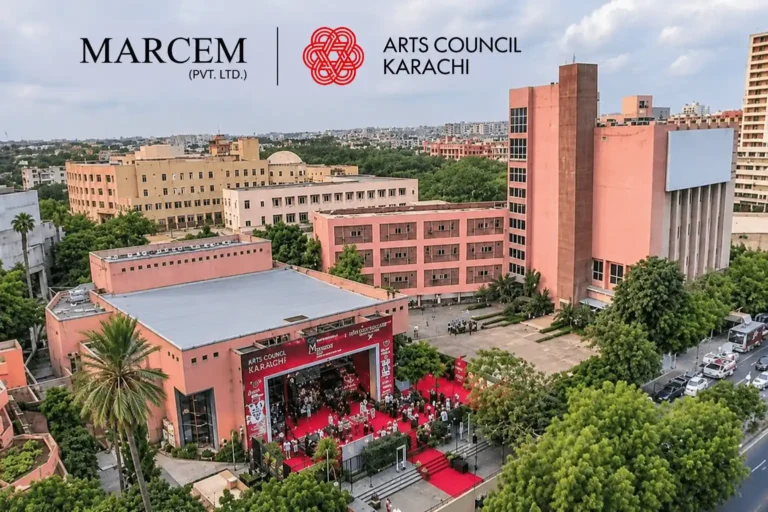
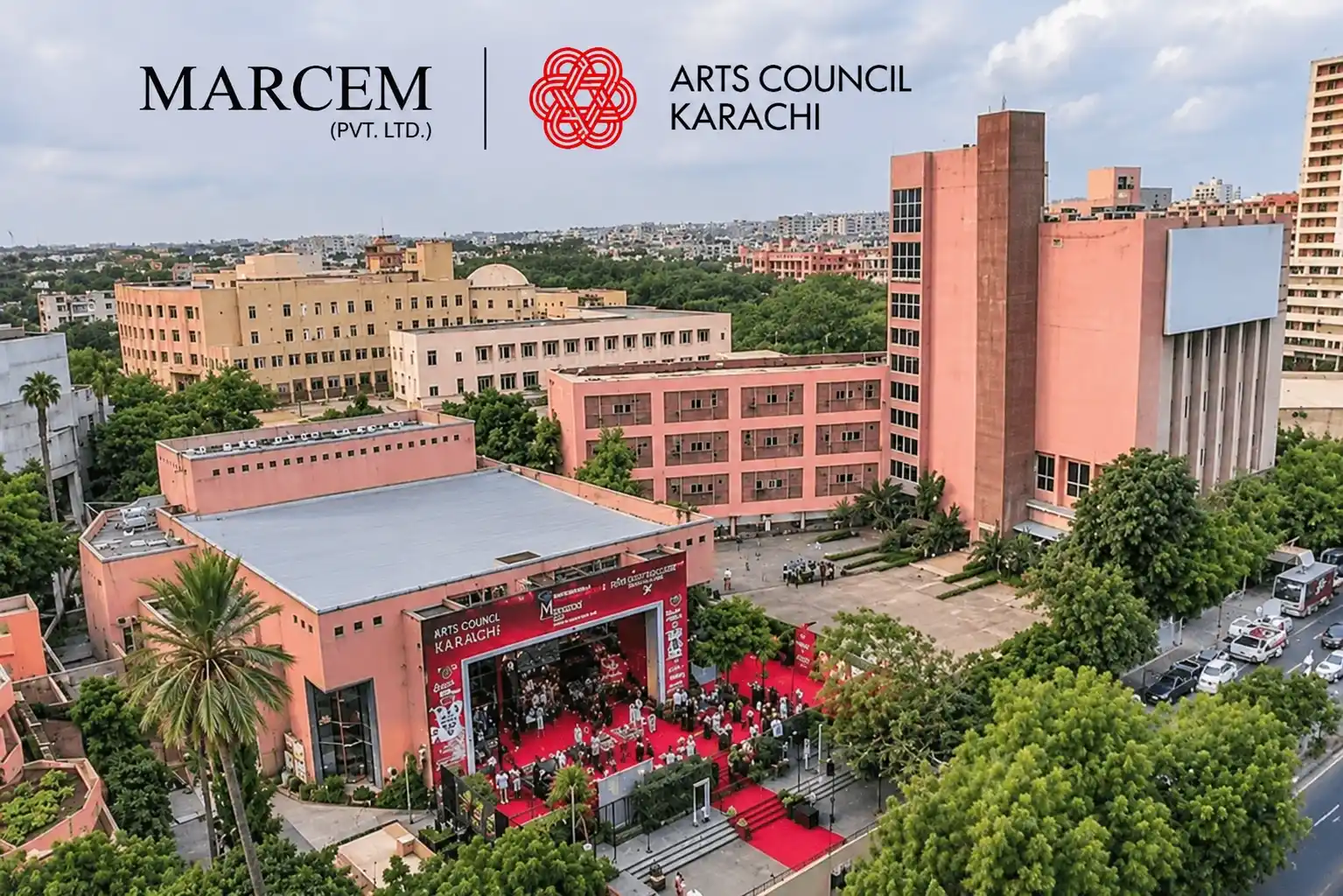
Organisers researching cultural venues in Karachi can also explore the Arts council to understand its spaces, facilities and event-related considerations.
The suitability of any venue depends on the exhibition concept, available facilities and approval from the relevant venue management. Availability, booking charges and operating conditions should always be confirmed directly.
3. Develop an Exhibition Layout and Visitor Journey
An exhibition layout determines how visitors interact with the displayed artwork.
Simply placing artwork wherever space is available can create a disorganised experience. Instead, the exhibition should have a logical arrangement that guides visitors through its different sections.
Consider the following layout elements:
Entrance and reception area
The entrance should provide a clear introduction to the exhibition. Visitors may need registration, event information, a programme guide or directions to different display sections.
Main display areas
Arrange artworks according to the exhibition theme, artistic style, collection or participating artists. Maintain suitable spacing between individual displays.
Information and interpretation points
Provide artwork titles, artist names and relevant descriptions where appropriate. Clear information helps visitors understand the context of the displayed work.
Visitor circulation
Keep pathways accessible and avoid placing displays, furniture or equipment where they obstruct movement.
Photography and interaction areas
If photography or visitor interaction is permitted, designate appropriate spaces without interfering with the artwork or other visitors.
The layout should be reviewed before installation to identify potential accessibility, visibility and crowd-management issues.
4. Plan Artwork Display and Installation
Artwork installation requires careful coordination. Different types of creative work may require different display methods.
For example:
- Paintings may require wall-mounted hooks or suitable hanging systems.
- Photography may need framed displays or mounted panels.
- Sculptures may require stable plinths or dedicated display surfaces.
- Mixed-media artwork may require specialised positioning.
- Digital artwork may need screens, projection equipment or power connections.
Before installation, prepare an artwork inventory containing the artist’s name, artwork title, dimensions, display requirements and installation instructions.
It is also important to confirm the handling arrangements with participating artists. Fragile, valuable or unusually sized pieces may require additional care during transportation and installation.
Where necessary, use experienced installation personnel and confirm that all display methods comply with the venue’s guidelines.
5. Consider Lighting and Visual Presentation
Lighting plays a significant role in how visitors experience an art exhibition.
Poor lighting can make artwork difficult to view, while excessive brightness or glare may affect the presentation of certain pieces.
The lighting plan should consider:
- Artwork visibility.
- Colour accuracy.
- Reflection and glare.
- Direction and intensity of light.
- Existing venue lighting.
- Electrical safety.
- Requirements of digital displays.
Different artwork formats may require different lighting arrangements. Paintings, photographs, sculptures and digital installations should each be assessed according to their presentation needs.
Decorative lighting can also contribute to the exhibition atmosphere, but it should not compete with the artwork itself.
The objective is to make the displayed work the main focus of the visitor experience.
6. Coordinate Artists, Curators and Organisers
An exhibition often involves multiple people with different responsibilities.
Artists provide the creative work, while curators or exhibition coordinators may oversee the selection, arrangement and interpretation of the collection.
The organising team should establish clear communication with everyone involved.
Important coordination tasks include:
- Confirming participating artists.
- Collecting artwork details and descriptions.
- Finalising the exhibition sequence.
- Establishing delivery and collection schedules.
- Confirming installation requirements.
- Preparing artist introductions.
- Coordinating opening-day attendance.
- Communicating any venue restrictions.
A shared schedule helps prevent confusion during the preparation stage.
Artists should also be informed about the final display arrangements and any relevant conditions for transporting, installing or removing their work.
7. Prepare Invitations, Registration and Exhibition Promotion
An exhibition needs an audience. Promotion should begin early enough to inform potential visitors and encourage attendance.
The promotional approach depends on the exhibition’s purpose and target audience.
Possible promotional activities include:
- Digital invitations.
- Social media announcements.
- Artist profiles and artwork previews.
- Email invitations to relevant communities.
- Educational and institutional outreach.
- Media communication.
- Printed promotional material where appropriate.
If the exhibition includes an opening ceremony or private viewing, invitations should clearly communicate the date, timing, location and attendance requirements.
For larger exhibitions, registration or guest reception arrangements may be necessary. Organisers should consider how visitors will be welcomed, guided and informed after arriving.
Promotional material should accurately represent the exhibition and use approved artwork images and artist information.
8. Manage Security, Logistics and Artwork Protection
Artwork protection should be considered throughout the planning process, not just after installation.
Organisers should coordinate transportation, handling, storage, installation and removal arrangements before the exhibition opens.
Key considerations include:
- Safe transportation of artwork.
- Appropriate packaging and handling.
- Controlled installation procedures.
- Secure display arrangements.
- Visitor movement around sensitive pieces.
- Monitoring of exhibition areas.
- Emergency access and safety requirements.
- Scheduled artwork collection after the event.
For valuable or fragile collections, the organiser should discuss suitable security and handling arrangements with the artists, venue management and relevant specialists.
The responsibilities of the venue and external organising team should also be clarified in advance.
9. Plan the Exhibition Opening and Visitor Experience
The opening day is an important part of the exhibition. It may include artist introductions, curator remarks, a formal inauguration, networking or guided viewing.
A simple event programme could include:
- Venue preparation and final inspection.
- Reception and guest registration.
- Welcome announcement.
- Opening remarks.
- Introduction to the exhibition theme.
- Artist or curator interaction.
- Guided exhibition viewing.
- Guest networking.
- Closing announcement.
The programme should match the exhibition’s scale and purpose.
For a small art showcase, a simple reception may be sufficient. A larger institutional exhibition might require stage arrangements, microphones, audiovisual support, photography and additional guest-management staff.
Organisers should conduct a final walkthrough before visitors arrive to check artwork positioning, lighting, signage, cleanliness and visitor access.
10. Why Professional Event Coordination Matters
An art exhibition brings together creative, technical and operational requirements. Managing these elements independently can become challenging, particularly when multiple artists, suppliers, venue representatives and visitors are involved.
Professional event coordination can help organise the different requirements under a structured plan.
Depending on the agreed event brief, support may include:
- Exhibition planning and coordination.
- Venue research and booking coordination.
- Layout and display arrangements.
- Décor and presentation setup.
- Lighting and audiovisual coordination.
- Guest registration and reception.
- Catering and refreshments.
- Branding and signage.
- Supplier and logistics management.
- Event-day supervision.
For organisations arranging exhibitions alongside conferences, launches or institutional programmes, coordinating these services under a common schedule can help maintain consistency throughout the event.
Any external event-management team must work within the venue’s policies and obtain the necessary permissions before carrying out installation or event activities.
11. Prepare a Final Exhibition Planning Checklist
Before opening an exhibition to visitors, review the main arrangements.
| Planning area | Final consideration |
|---|---|
| Exhibition concept | Theme, objectives and target audience confirmed |
| Venue | Space, availability and permissions confirmed |
| Artwork | Inventory and participating artists finalised |
| Layout | Display arrangement and visitor circulation reviewed |
| Installation | Artwork handling and mounting arrangements confirmed |
| Lighting | Visibility and technical requirements checked |
| Promotion | Invitations and announcements prepared |
| Reception | Registration and visitor information arranged |
| Security | Artwork protection and safety measures reviewed |
| Event programme | Opening schedule and responsibilities shared |
| Logistics | Delivery, setup and dismantling schedules confirmed |
| Final inspection | Venue and displays checked before opening |
This checklist can be adapted according to the size, format and complexity of the exhibition.
Conclusion: Creating a Well-Organised Art Exhibition in Karachi
An art exhibition is an opportunity to bring artists, creative professionals and audiences together through visual expression and cultural engagement.
A successful exhibition depends on several connected elements, including a meaningful concept, suitable venue, thoughtful display arrangements, effective lighting, artist coordination and a positive visitor experience.
For organisers planning an art exhibition in Karachi, preparing these requirements in advance can make the entire process more manageable.
With clear responsibilities and professional coordination, exhibitions can provide a well-organised environment in which artwork receives the attention it deserves and visitors can engage with the creative work comfortably.
The focus should remain on presenting art effectively, supporting participating artists and creating an accessible experience for the audience.