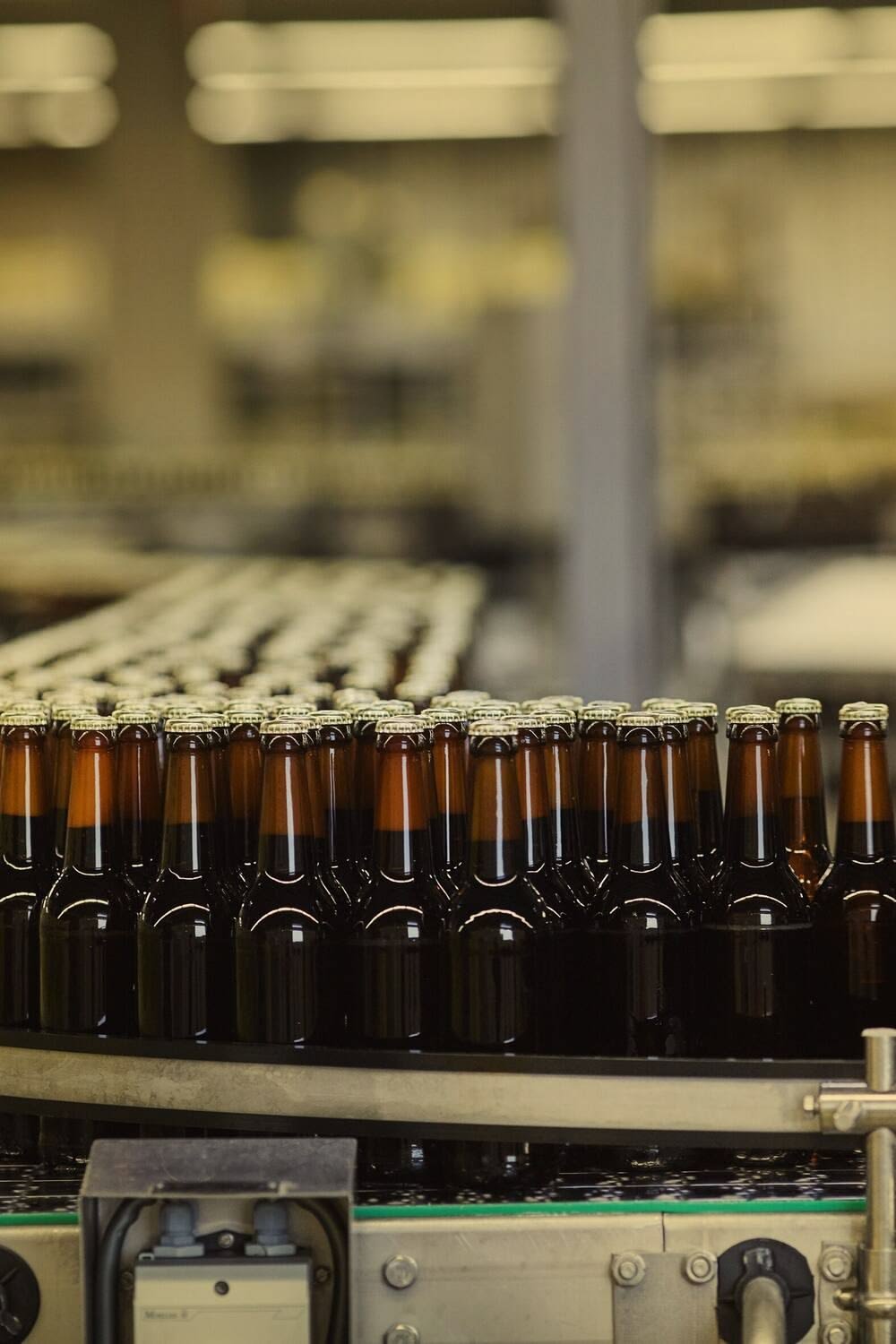
Himachal Pradesh is widely recognised for its natural landscapes, tourism and growing hospitality sector. Beyond these attractions, the state also has an established beverage and brewing industry supported by local demand, tourism-related consumption and businesses operating across different parts of the region. The growing interest in specialty beverages, changing consumer preferences and opportunities in hospitality have created scope for businesses exploring beverage production and manufacturing.
For entrepreneurs, investors and beverage industry professionals, understanding the brewing sector involves more than identifying existing breweries. It requires knowledge of production methods, infrastructure, licensing, quality standards and the business considerations involved in establishing a beverage manufacturing operation.
Whether someone is researching breweries in Himachal Pradesh for industry insights or exploring opportunities in beverage manufacturing, understanding how the sector operates can help in making informed business decisions.
How Is the Brewing Industry Developing in Himachal Pradesh?
Himachal Pradesh has an established alcoholic beverage manufacturing presence, particularly in areas with industrial infrastructure and suitable business facilities. The state’s location in North India also provides businesses with access to markets across neighbouring states, depending on applicable distribution and licensing arrangements.
Tourism, hotels, restaurants and hospitality businesses contribute to the broader beverage market. At the same time, manufacturing companies must consider factors such as transportation, regulatory permissions, production infrastructure and access to suitable raw materials.
The brewing industry is not limited to producing a finished beverage. It involves ingredient sourcing, formulation, fermentation, processing, quality checks, packaging and distribution. Each stage requires technical knowledge and appropriate facilities.
It is important to distinguish breweries producing alcoholic beer from companies manufacturing non-alcoholic beverages. Although both operate within the broader beverage industry, their production methods, licensing requirements and regulatory frameworks can differ significantly.
What Types of Breweries and Beverage Manufacturing Operations Exist?
Different beverage manufacturing operations serve different consumer preferences and market segments.
Some common categories include:
- Commercial Breweries: These facilities manufacture beer on a commercial scale using ingredients such as malted grains, hops, yeast and water. Production involves controlled fermentation and subsequent processing.
- Microbreweries: These are generally smaller brewing operations that focus on producing beer in limited quantities, often for consumption at associated restaurants or hospitality establishments, subject to applicable state regulations.
- Craft Brewing Operations: Craft brewing focuses on distinctive recipes, flavour profiles and specialised brewing techniques. These businesses often experiment with different ingredients and brewing styles.
- Non-Alcoholic Beverage Manufacturers: These companies manufacture products such as carbonated drinks, fruit-based beverages, energy drinks, functional drinks and other ready-to-drink products. Their processes are different from alcoholic beer brewing.
Understanding these categories helps businesses identify the right manufacturing model for their intended products.
How Does the Commercial Brewing Process Work?
Beer manufacturing involves several carefully controlled stages. Although specific processes differ according to the beer style and production setup, commercial brewing generally follows a structured production cycle.
1. Raw Material Selection
The brewing process begins with selecting suitable ingredients. Common raw materials include malted barley, hops, yeast and water. The quality and characteristics of these ingredients influence the final beverage’s flavour, aroma, colour and overall profile.
2. Malting and Mashing
Malted grains are prepared and mixed with heated water during mashing. This process helps convert the available starches into fermentable sugars that yeast can use during fermentation.
Temperature and processing conditions need to be controlled to achieve the intended composition of the resulting liquid.
3. Wort Boiling and Hop Addition
The extracted liquid, known as wort, is boiled and hops are added according to the desired recipe. Hops contribute bitterness, aroma and flavour while the boiling stage also supports important process-control objectives.
4. Fermentation
After cooling, yeast is introduced into the prepared wort. Yeast converts fermentable sugars into alcohol and carbon dioxide. Fermentation temperature, duration and yeast characteristics influence the final beer profile.
5. Maturation and Filtration
Depending on the product, the beer may undergo maturation, clarification or filtration to achieve the desired characteristics. These stages help develop flavour and improve product consistency.
6. Packaging and Storage
The finished beverage is transferred into suitable packaging, such as bottles, cans or kegs. Packaging conditions, sealing integrity and storage requirements are important for protecting product quality.
What Licences and Regulations Are Important for Breweries in Himachal Pradesh?
Alcoholic beverage manufacturing is a regulated activity in India. Businesses planning to establish or operate a brewery must understand the applicable central and state-level requirements before beginning operations.
In Himachal Pradesh, alcohol-related manufacturing, licensing and distribution are subject to the state’s excise framework. The exact permissions depend on the proposed manufacturing activity, facility, product category and business model.
Businesses may need to consider:
- Applicable brewery and manufacturing licences.
- State excise department permissions.
- Factory-related registrations and approvals.
- Pollution control and environmental permissions, where applicable.
- Water sourcing, wastewater treatment and disposal requirements.
- Fire safety and other industrial establishment approvals.
- Applicable food safety, product quality and labelling requirements.
Alcoholic products and non-alcoholic beverages may fall under different regulatory provisions. Therefore, businesses should consult the relevant government departments and qualified regulatory professionals to confirm the approvals required for their specific operations.
Obtaining the correct permissions before production is essential for maintaining legal compliance and avoiding operational complications.
What Factors Should Businesses Consider Before Choosing a Brewery or Beverage Manufacturer?
Selecting a manufacturing partner is an important decision, whether a business wants to produce alcoholic beverages or develop a separate non-alcoholic beverage range.
The following factors deserve attention:
- Production Infrastructure: Evaluate the available manufacturing equipment, processing facilities, storage arrangements and production capabilities.
- Technical Expertise: Understand whether the manufacturer has experience with the specific beverage category and production requirements.
- Quality Management: Ask about ingredient inspection, process monitoring, laboratory testing and finished-product quality checks.
- Packaging Capabilities: Consider available packaging formats, filling equipment, sealing methods and storage requirements.
- Regulatory Compliance: Verify relevant licences, registrations and supporting documentation rather than relying only on verbal assurances.
- Production Capacity: Discuss manufacturing volumes, minimum order quantities, production schedules and the possibility of scaling operations.
- Supply Chain Management: Reliable sourcing of ingredients, packaging materials and other production inputs is important for maintaining consistent operations.
Evaluating these factors can help businesses choose a manufacturing arrangement that suits their commercial objectives.
Are There Opportunities Beyond Traditional Brewing in Himachal Pradesh?
Yes. The broader beverage market offers opportunities beyond traditional alcoholic beer production. Businesses can explore non-alcoholic products that serve different consumer preferences and distribution channels.
Potential categories include:
- Carbonated soft drinks.
- Energy drinks.
- Electrolyte and hydration beverages.
- Fruit-based drinks.
- Herbal and functional beverages.
- Ready-to-drink refreshments.
- Flavoured water-based beverages.
These categories involve different formulations, processing methods and regulatory requirements. Businesses should evaluate consumer demand, product feasibility, ingredient suitability and distribution opportunities before investing in a new product.
For entrepreneurs interested in non-alcoholic beverages, working with an experienced beverage manufacturing partner can provide access to product development, formulation, prototyping, quality testing and packaging support.
Ayuray Organics supports beverage businesses through contract manufacturing, private label production, custom product formulation, prototyping and smart co-packing solutions. These capabilities are relevant to businesses looking to develop non-alcoholic beverage products without independently establishing a complete production facility.
How Can New Businesses Enter the Beverage Manufacturing Industry?
Entering the beverage industry requires careful planning and a clear understanding of the intended market.
Start by identifying the beverage category and defining the customers you want to serve. Research existing products, understand competitor positioning and determine what makes your proposed beverage different.
The next step is product development. This includes selecting suitable ingredients, preparing formulations, evaluating samples and checking whether the product can be manufactured consistently at commercial scale.
Businesses should also assess packaging options, production costs, minimum order quantities, regulatory requirements and expected shelf life. Conducting appropriate product testing before commercial launch helps reduce avoidable quality and stability issues.
For startups, contract manufacturing and private label arrangements can offer a practical route into the market, depending on the product and manufacturer’s capabilities.
Conclusion
The brewing and beverage manufacturing sector in Himachal Pradesh offers opportunities for businesses interested in production, hospitality and the wider beverage market. However, establishing a successful operation requires more than identifying market demand. Infrastructure, technical expertise, ingredient quality, regulatory compliance and packaging capabilities all play important roles.
Businesses researching breweries in the state should first understand the difference between alcoholic brewing and non-alcoholic beverage manufacturing, as the two involve different processes and regulatory requirements.
With proper planning, suitable manufacturing partnerships and a clear product strategy, entrepreneurs can explore opportunities across the evolving beverage industry while building products that meet customer expectations and applicable quality standards.