

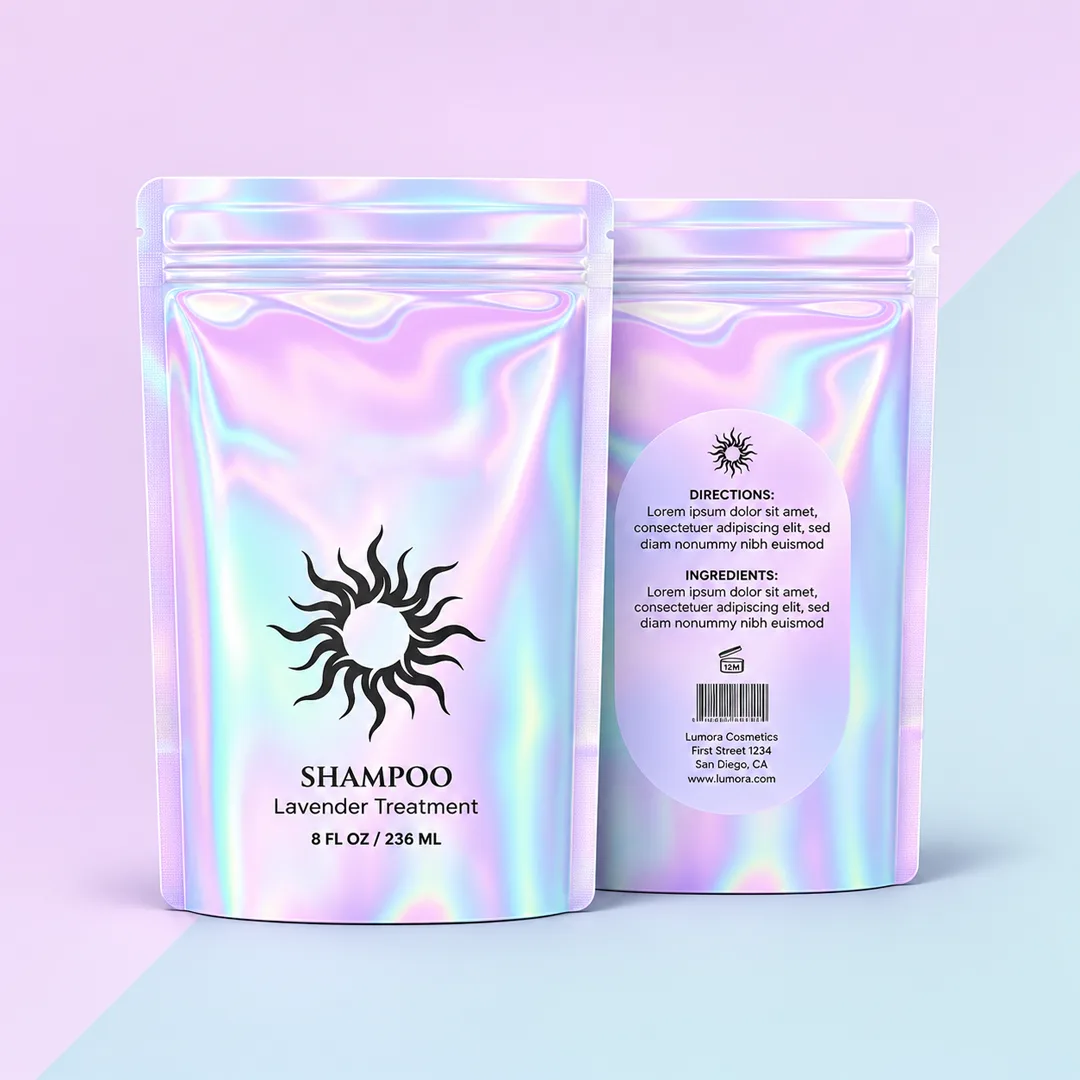
Custom packaging can make a product more noticeable before a customer even opens it. The colors, finish, and overall design often shape the first impression. This is one reason custom holographic mylar bags have become an appealing choice for businesses that want packaging with a modern look. Their reflective surfaces catch the light and create a changing visual effect that feels different from ordinary printed bags.
However, attractive packaging needs to do more than look good. It should also protect the product, suit its intended use, and fit the brand’s identity. From small retail items to specialty products, the right packaging can improve presentation and make products easier to recognize. Understanding the available materials, printing methods, sizes, and finishes helps businesses make better choices. A little planning can lead to packaging that looks professional and works well in everyday use.
Understanding Holographic Finishes
A holographic finish creates a reflective surface that displays different colors as the viewing angle or lighting changes. Instead of showing one flat color, the material can produce rainbow-like effects that attract attention. This effect is often created through a specially treated film or a decorative laminate applied to the packaging material. The final appearance depends on the film, lighting conditions, and design choices. Some finishes create a soft rainbow shine, while others produce bold geometric patterns. holographic mylar bags wholesale are useful for brands that want their packaging to look distinctive without relying on complicated artwork. They can suit cosmetics, accessories, gifts, and many other retail products. The finish can cover the entire bag or appear in selected areas, depending on the desired result.
Choosing Suitable Materials
The material used for packaging affects its strength, flexibility, and ability to protect the contents. Mylar is commonly associated with polyester film, which can offer useful barrier properties when selected and manufactured for a suitable application. Some pouches combine several layers to improve resistance to moisture, oxygen, light, or handling damage. The exact performance depends on the complete material structure rather than the shiny finish alone. Businesses should consider the product’s sensitivity, expected storage conditions, and shelf life before choosing a material. Food products may require suitable food-contact materials and verified barrier performance. Products with sharp edges might need stronger packaging to reduce the risk of punctures. A reliable supplier can explain the available structures and help match the material to the intended purpose.
Designing Attractive Packaging
Good packaging design balances appearance with readability. Bright colors and reflective surfaces can make a bag stand out, but too many visual elements may make the design difficult to understand. Businesses should begin with a clear idea of their brand personality and the message they want customers to notice first. Some choose simple lettering with a small graphic, while others prefer colorful artwork across the entire surface. Printed holographic mylar bags allow businesses to combine reflective effects with text, illustrations, and brand colors. The artwork should remain easy to read under different lighting conditions. Important details, such as product names and required information, need enough contrast against the background. Before approving a large order, it helps to review a physical sample and check how the finished design looks in person.
Exploring Printing Methods
Printing technology plays a major role in the appearance and consistency of finished packaging. Digital printing can be useful for short runs, product testing, and designs that change frequently. Flexographic printing is often considered for larger quantities where production efficiency matters. Other methods may suit particular materials or finishing requirements. The best option depends on order size, artwork complexity, color requirements, and the supplier’s equipment. Designers should also understand how ink behaves on reflective surfaces. Some colors may look different when printed over a holographic background than they do on a standard white surface. A white ink layer can sometimes help certain colors appear more opaque, although the exact result depends on the material and printing process. Requesting a printed proof helps reduce surprises before production begins.
Protecting Product Contents
Packaging must provide suitable protection for the product inside. A reflective exterior does not automatically make a pouch airtight, waterproof, or suitable for long-term storage. These properties depend on the material layers, seals, closures, and manufacturing quality. For products that need protection from moisture or oxygen, businesses should ask for performance information relevant to their particular use. Holographic mylar can be part of a multilayer packaging structure, but the complete pouch needs to meet the product’s storage requirements. Strong seals can help prevent accidental openings, while resealable zippers offer convenience for products used more than once. Some applications may also need tear notches, child-resistant features, or additional labeling. Choosing packaging based on verified requirements helps protect quality and reduces the risk of customer complaints.
Selecting Suitable Bag Sizes
The size and shape of a pouch should match the product rather than simply follow the latest packaging trend. A bag that is too large may waste material and make the contents appear smaller than expected. One that is too small can create problems during filling or place unnecessary pressure on the seals. Businesses should measure the product carefully and consider how it will sit inside the pouch. Extra space may be needed for protective inserts, labels, or easy opening. Stand-up pouches can work well for products displayed on shelves, while flat pouches may suit lightweight items and compact retail displays. For specialized products, holographic weed mylar bags may be designed with specific sizes, closures, and labeling features. Buyers should check local regulations and ensure the packaging meets all relevant product and safety requirements.
Ordering Wholesale Packaging
Ordering in larger quantities can reduce the cost per bag, but it also requires careful planning. Suppliers may offer different minimum order quantities, printing options, production times, and shipping arrangements. Before placing an order, businesses should request a clear quotation that explains setup fees, material specifications, printing costs, and delivery charges. Comparing prices alone can be misleading if one supplier uses a different material or includes fewer finishing options. Companies looking for holographic mylar bags wholesale should also ask about sample availability and quality checks. A small trial order can reveal issues with color accuracy, seal strength, or pouch dimensions before a larger investment is made. It is also useful to confirm how repeat orders will be handled. Consistent specifications make it easier to maintain a recognizable appearance across future product batches.
Building Strong Brand Recognition
Packaging can become a familiar part of a customer’s experience with a business. Consistent colors, typography, logos, and design details help people recognize products across different stores and online listings. A reflective finish can support that identity, but it works best when it fits the rest of the branding. Businesses should avoid changing every design element between product lines unless there is a clear reason to do so. Custom Printed Mylar bags can help connect the packaging to the company behind the product. The logo should remain readable and should not compete with important product information. Businesses can also use coordinated pouch sizes and matching visual elements across a product range. This creates a more organized presentation and helps customers identify related items. Thoughtful packaging design supports recognition without making the bag unnecessarily complicated.
Conclusion
Custom holographic mylar bags offer businesses a way to combine eye-catching presentation with practical packaging features. Their reflective finish can make products more noticeable, while suitable materials, reliable seals, and thoughtful sizing help meet everyday packaging needs. The best results come from choosing features based on the product rather than appearance alone.
Before placing an order, compare suppliers, review samples, and confirm the printing method, material structure, and production costs. Make sure the packaging meets any relevant safety and labeling requirements. A well-planned design should represent the brand clearly and protect the contents properly. With careful decisions, businesses can create packaging that looks distinctive, serves its intended purpose, and provides a consistent experience for customers.